

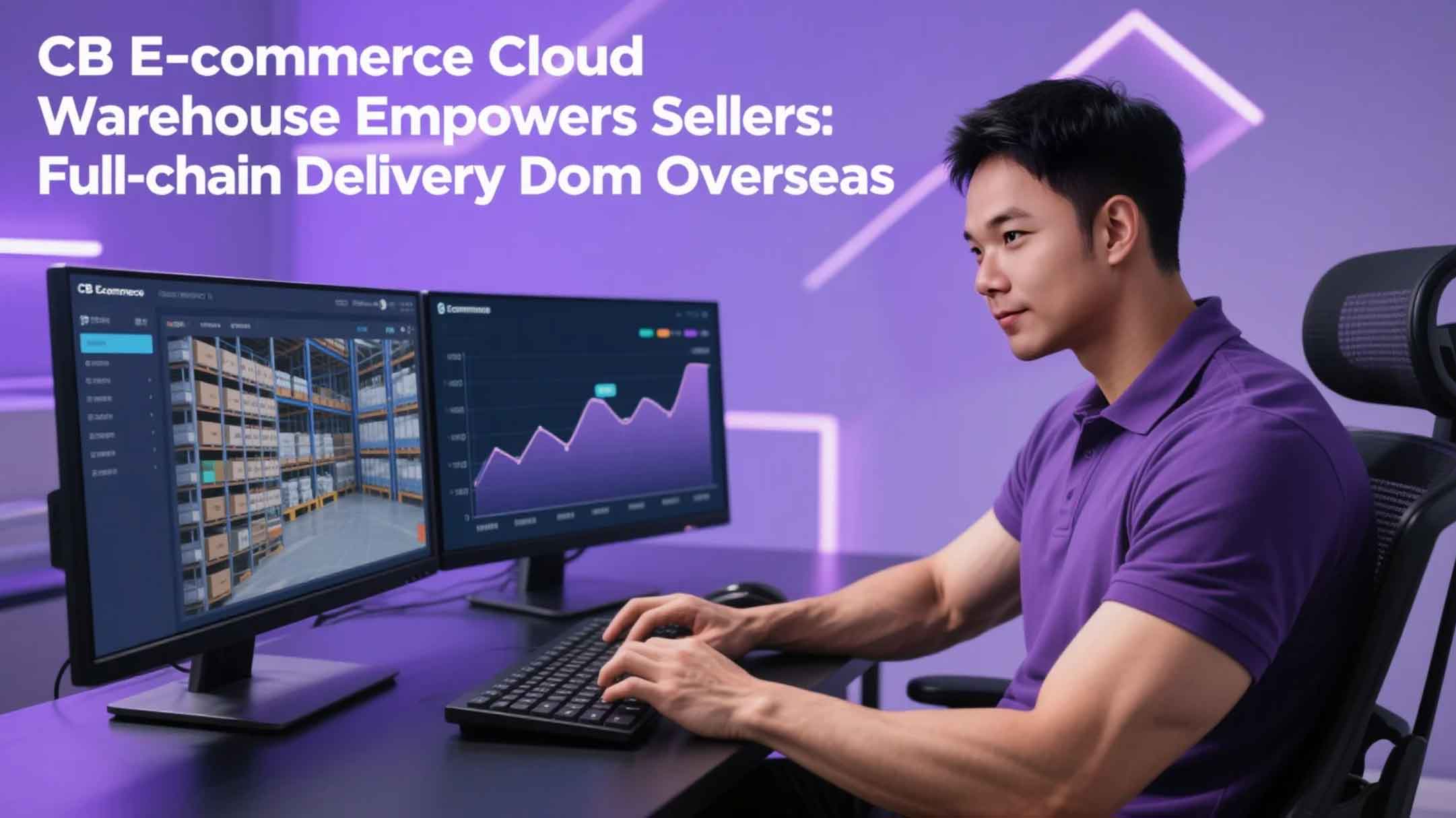
The gameplay of cross-border e-commerce is constantly changing, with fast product updates and frequent changes in platform rules. Sellers rack their brains in advertising and product selection, and the logistics strategy is often the one that can truly stabilize the pace of the store.
The logistics model of cross-border sellers is quietly changing from domestic direct delivery, to local delivery required by platforms, and to warehousing pressure brought about by market growth. The combination of domestic and overseas warehouses is becoming an increasingly adopted solution.
1:Changes in logistics rules on the operation platform have forced sellers to upgrade their shipping mode
Taking mainstream platforms such as Amazon, eBay, Shopee, Temu, and Walmart as examples, they have certain regulations on delivery time, logistics carriers, and package labels. Many new sellers initially use domestic direct shipping to control costs independently, but when store sales increase, complaints about timeliness increase, or when they want to gain higher store weight, the platform often requires the use of more stable methods, such as sending to official overseas warehouses, local delivery, or compliant cross-border dedicated lines.
It is precisely because the logistics logic of the platform tends to be stricter and more stable that many sellers have started to move from self shipping to outsourcing to cloud warehouses, leaving the originally complex work to professional warehousing teams.
2:Domestic cloud warehouses take the lead in solving sellers' shipping problems
The emergence of cross-border cloud warehouses eliminates the need for sellers to hire, rent, and package their own inventory. After the product is sent from the factory to the cloud warehouse, the warehouse team will complete a series of standardized operations, including inventory registration, quantity verification, SKU scanning, shelving and storage, inventory counting, and real-time synchronization status.
For sellers with multiple SKUs, frequent restocking, and large fluctuations in order volume, this model can significantly reduce management pressure and avoid problems such as wrong or missed shipments and inaccurate inventory that may occur in self built warehouses.
3:Labeling, printing, and packaging can be completed throughout the entire process in China
The pain points of cross-border e-commerce are not only in warehousing, but also in labeling, repackaging, combining orders, channel selection and other aspects. Domestic cloud warehouses can automatically generate shipping tasks based on platform orders provided by sellers, and complete actions such as labeling, weighing, and packaging.
FBA labeling, overseas warehouse code scanning, sensitive product packaging requirements, etc. can all be processed in one go in the domestic process to avoid rejection, fines, or destruction of goods due to label discrepancies or packaging non-compliance after they arrive overseas. Sellers do not need to double check themselves, which reduces a lot of time costs.
4:Overseas warehouse supplemented with end of pipe delivery to ensure more stable delivery time
As store sales continue to grow, especially with an increase in orders from the United States and Europe, sellers will gradually send some goods to overseas warehouses for local delivery. Buyers can receive packages in a shorter period of time, and the store's positive review rate is also higher.
Domestic cloud warehouses can arrange the first leg transportation for sellers, including sea freight, sea freight, air freight and other channels, to safely deliver goods to overseas warehouses in the United States.
After receiving the goods in the overseas warehouse, we will provide services such as shelving, inventory management, local shipping, label replacement, etc., forming a complete cross-border supply chain.
The combination of domestic and overseas warehouses provides sellers with more flexible operational methods. The domestic warehouse is responsible for quality inspection, shelving, labeling, packaging, and first mile transportation. The overseas warehouse is responsible for local delivery, after-sales service, and return processing.
The cross-border industry is constantly changing, and logistics choices that can make the chain more stable often determine how far a store can go.
SERVICE
Copyright © 2026 TakeSendShip. All rights reserved


