

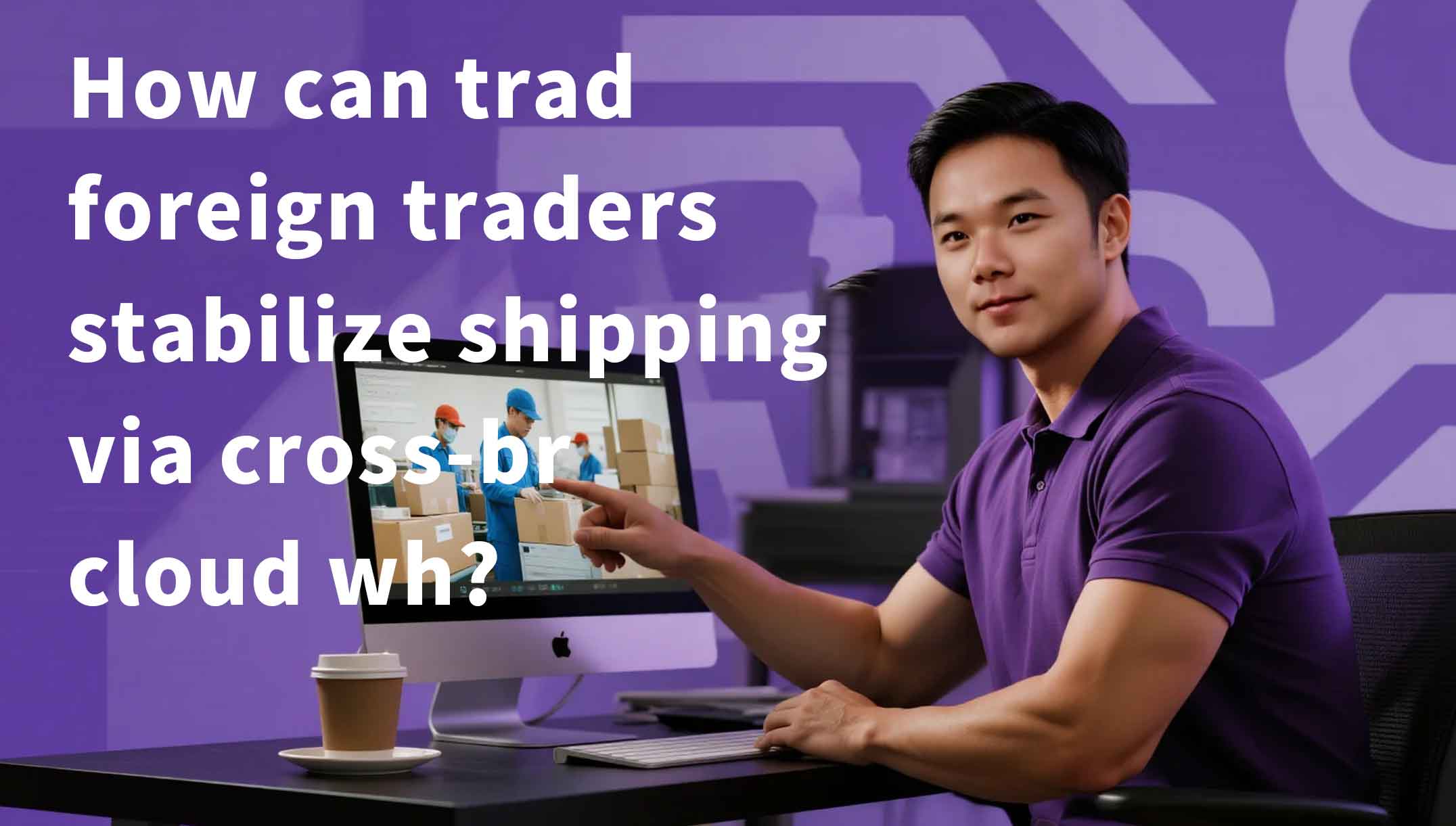
Many traditional foreign traders have a similar feeling. In the past, when receiving orders, I used to ship in full containers and pallets, with one shipment completed, clear payment terms, and simple operations.
But in recent years, customer procurement methods have undergone significant changes with the development of cross-border e-commerce. Orders are becoming increasingly detailed, with some customers only requiring dozens of items at a time, and even requesting shipments in batches and to multiple addresses.
For foreign traders who engage in long-term bulk shipments, this type of loose cargo order is not low profit, but high operating cost. Many people are stuck in the shipping process, unsure of how to proceed and worried that frequent shipments will increase the probability of errors.
1:The increase in small bulk cargo orders makes it difficult for traditional models to adapt
The most obvious problem with shipping individual orders is the mismatch between warehousing and operations. Factories or self owned warehouses are often only suitable for batch shipments, and once orders are split, additional manpower is required for picking, packaging, and labeling.
At the same time, different countries and customers have different requirements for logistics methods. Some pursue timeliness, while others value cost more. Temporary combination channels often make people exhausted.
2:Cross border cloud warehouse makes the shipping process more controllable
The core value of cross-border cloud warehouses lies in turning scattered orders into manageable shipping tasks. After the goods are centrally stored in the warehouse, a unified inventory check, shelving, and inventory recording will be carried out, and subsequent processing will be carried out on an order by order basis.
Foreign traders only need to provide shipping information, and the cloud warehouse can complete picking, packaging, labeling, and shipping, avoiding confusion caused by repeated operations.
3:Shipping multiple batches and addresses is no longer a burden
Bulk cargo orders often come with the demand for shipping from multiple countries and addresses. Cross border cloud warehouses usually come with multiple international logistics channels and can flexibly arrange shipping methods based on order conditions.
Whether the same batch of goods is shipped in a few days or different customers are shipped out at the same time, it can maintain a stable delivery rhythm and reduce delays caused by unfamiliarity with the operation.
4:Let foreign traders return to their products and customers themselves
When the shipping process becomes standardized, foreign traders can also refocus their energy on product, pricing, and customer communication. No need to repeatedly coordinate warehouse and logistics for a few items, and no need to worry about inventory chaos.
The emergence of cross-border cloud warehouses is not to replace traditional foreign trade models, but to fill the gap in shipping in the era of bulk cargo, allowing small orders to run smoothly.
For foreign traders, the form of orders is changing, and delivery capabilities also need to be upgraded. Handing over the complex shipping process to a professional system is actually easier to stabilize long-term cooperation.
Handing over professional matters to professionals will make your business more professional!
SERVICE
Copyright © 2026 TakeSendShip. All rights reserved


