

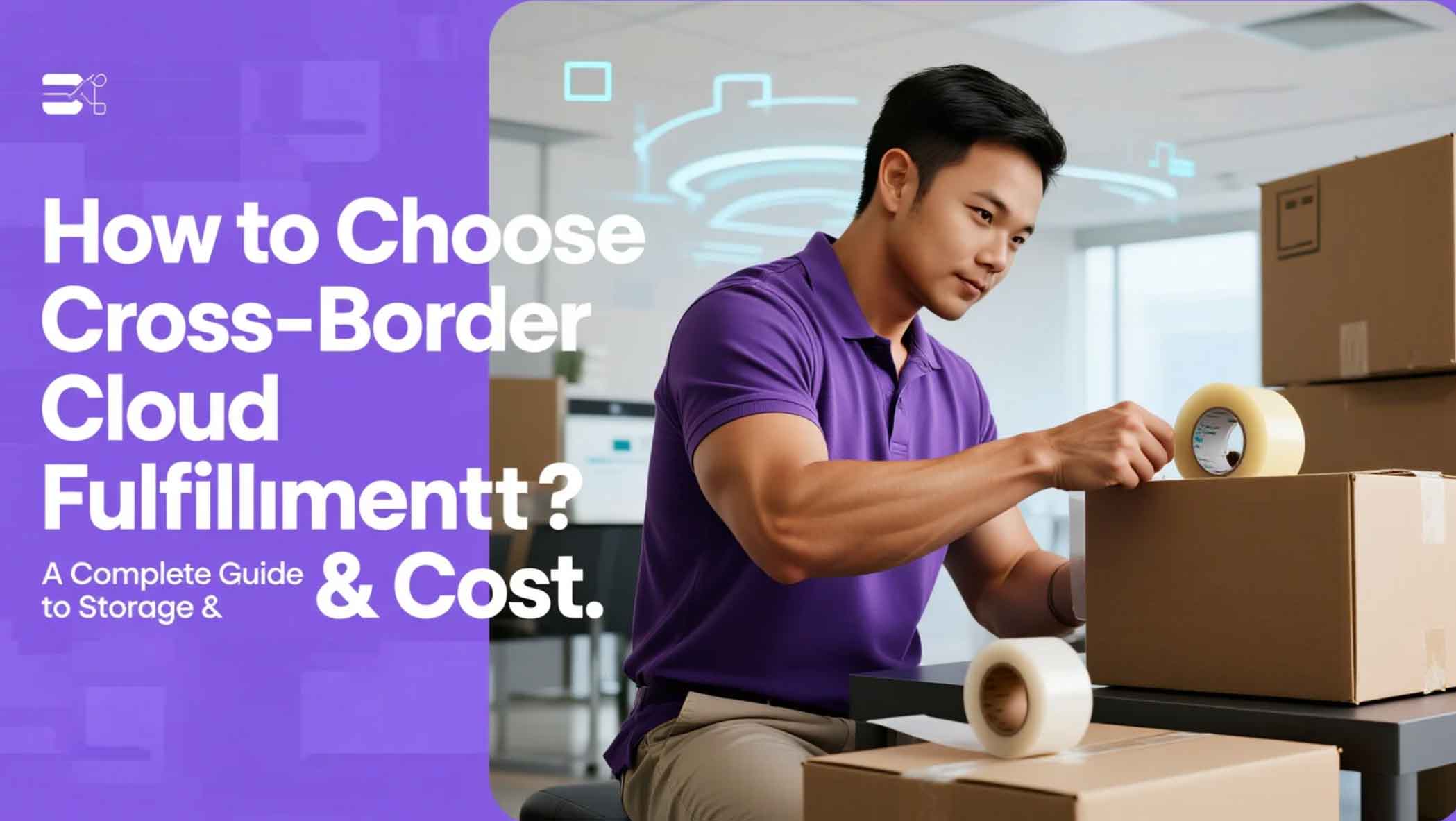
The development speed of cross-border e-commerce is very fast, and the form of orders is becoming increasingly flexible. In the past, many sellers used to stock and package their own goods for shipment, but as the number of orders gradually increases, warehousing and logistics often become operational pressures.
If warehouse management is chaotic, shipping efficiency decreases, and logistics channel selection is difficult, these problems will become more apparent after business expansion.
Many cross-border sellers have started to adopt the cloud warehouse model, entrusting the warehousing and shipping processes to professional teams. But there are many cloud warehouse service providers, and there are differences in service content and charging methods.
Knowing the basic logic of warehousing, dropshipping, and cost structure can help sellers quickly determine which model is more suitable for their business.
1:Warehouse management capability determines operational efficiency
The core of cloud warehousing is its warehousing management capability. After the goods enter the warehouse, they need to complete the inventory registration, location allocation, and inventory system entry. The more standardized the warehouse system, the clearer the inventory data.
For cross-border sellers, inventory transparency is crucial. When orders increase, it is possible to quickly check inventory levels and replenish them in a timely manner, resulting in a more stable shipping rhythm. Some mature cloud warehouses also provide system integration, allowing orders to automatically enter the warehouse operation process.
2:How does a dropshipping process operate
Cloud warehouse dropshipping usually includes several stages such as picking, checking, packaging, and labeling. After the order is synchronized to the warehouse system, the warehouse staff completes the operation according to the order information, and then the system matches the corresponding logistics channel.
This mode reduces the steps of manual order processing and makes the delivery time more stable. Sellers don't need to pack packages in the warehouse every day, they can spend more time on product selection, operations, and marketing.
3:Cloud warehouse fee structure needs to be understood in advance
Many sellers focus on price when choosing cloud warehouses. Cloud warehouse fees usually consist of storage fees, operational fees, and logistics fees. The storage cost is related to the volume and storage time of the goods, while the operating cost comes from services such as picking and packaging.
If the warehouse management efficiency is high and the operation process is standardized, the overall cost may actually be lower than that of self built warehouses. After improving delivery efficiency, it can also reduce after-sales problems caused by order delays.
4:Comprehensive service capability is also a reference standard
In addition to basic warehousing and shipping capabilities, some cross-border logistics companies also provide more complete warehousing and distribution services. For example, warehouse system integration, automatic synchronization of e-commerce orders, and matching of multiple logistics channels.
At present, there are also companies in the market that integrate cloud warehouses with international logistics resources, such as Taijia Cloud Warehouse, which not only completes warehousing and dropshipping operations, but also matches suitable logistics routes with destination countries based on package weight. This type of model can reduce the time for sellers to repeatedly communicate between warehousing and logistics in actual operation.
For cross-border sellers, choosing a cloud warehouse is not simply about renting a warehouse, but rather a collaborative operation of warehouse and distribution. When warehousing, orders, and logistics form a stable process, the shipping process will become easier.
SERVICE
Copyright © 2026 TakeSendShip. All rights reserved


