

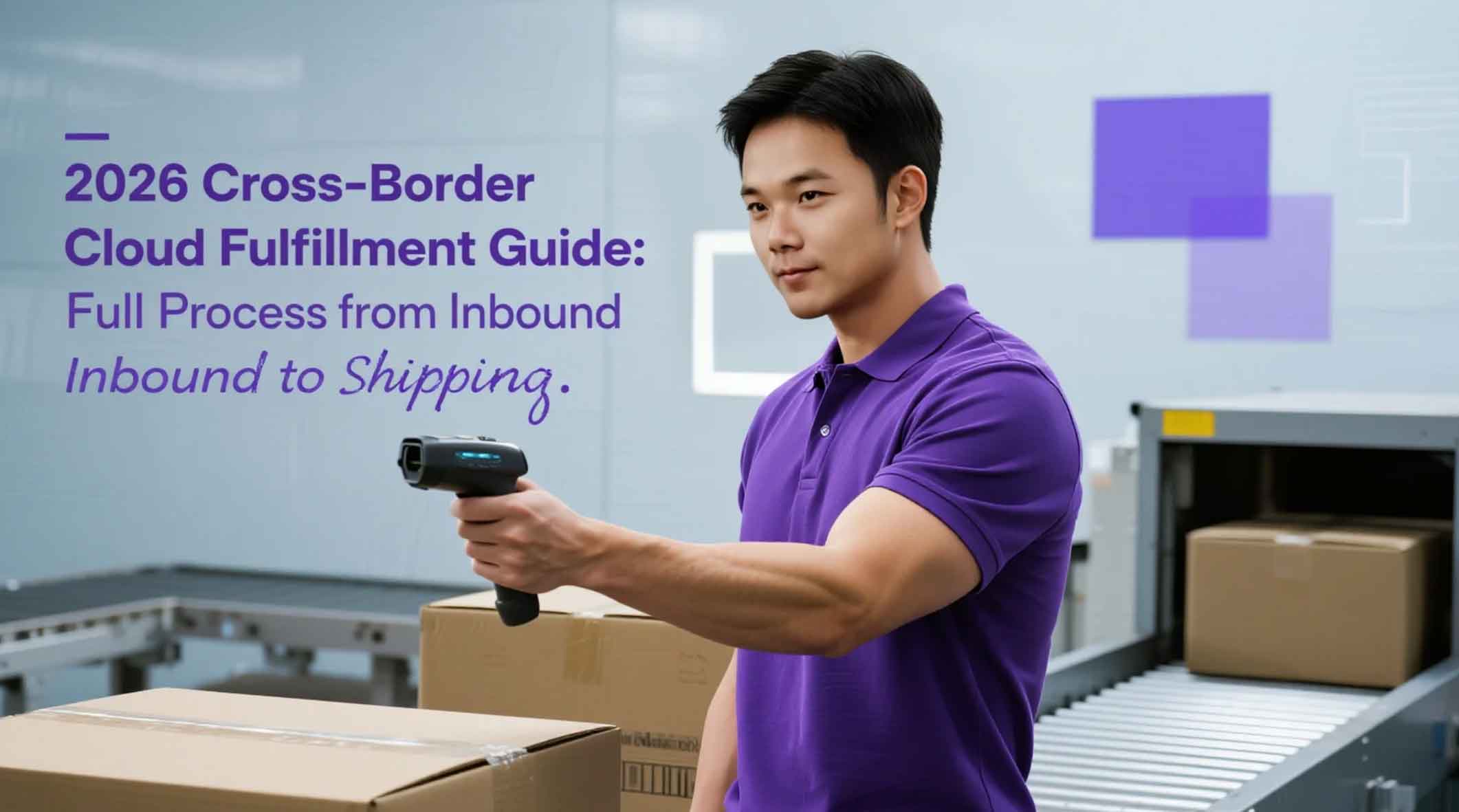
Cross border e-commerce orders are becoming increasingly fragmented, with many sellers facing dozens or even hundreds of orders every day. If we still rely on manual packaging and shipping, warehouse efficiency will soon become a bottleneck for business growth. More and more cross-border sellers are starting to use the cross-border cloud warehouse dropshipping model, entrusting the warehousing and shipping processes to professional warehouse distribution teams.
Cloud warehouse dropshipping is not simply warehouse dropshipping, it includes a complete process such as warehouse management, inventory system, order synchronization, packaging and shipping, and logistics channel matching. Understanding the operation mode of cross-border cloud warehouse dropshipping can help sellers avoid detours in warehousing and logistics.
1:How to proceed with the cross-border cloud warehouse entry process
The first step in cross-border cloud warehouse dropshipping is to store the goods in the warehouse. After the seller transports the goods in bulk to the cloud warehouse, the warehouse will perform inventory registration, SKU identification, and inventory entry.
A standardized cloud warehouse system will allocate storage locations for each SKU and generate inventory data. Sellers can view inventory quantities and changes in inventory in the backend.
The more standardized the cross-border cloud warehouse entry process, the clearer the inventory management, which is also the foundation for the stable operation of cross-border cloud warehouse dropshipping.
2:Order synchronization and warehouse operation process
When an e-commerce platform or independent website generates an order, the order data will be synchronized to the cross-border cloud warehouse system. The warehouse performs picking, review, packaging, and labeling operations based on order information.
The advantage of cross-border cloud warehouse dropshipping lies in standardized processes. After the order enters the system, it can enter the warehouse operation process, reducing the time for manual processing of orders.
For cross-border sellers whose order volume continues to grow, this model can significantly improve shipping efficiency.
3:How to choose cross-border cloud warehouse shipping channels
Cross border sellers often need to face logistics routes from different countries when shipping. There are also differences in logistics methods for different product weights, volumes, and destination countries.
Mature cross-border cloud warehouses usually connect with multiple international logistics channels, such as dedicated line parcels, postal parcels, or commercial express delivery. The system matches the appropriate shipping method based on the weight and destination of the package, thus achieving a balance between timeliness and shipping costs.
4:Common pitfalls in cloud warehouse dropshipping
Although cross-border cloud warehouse dropshipping can improve efficiency, there are still several details to pay attention to when choosing a service provider. The stability of the inventory system is crucial. If inventory data is not updated in a timely manner, it is difficult for sellers to determine the replenishment time.
Warehouse operation standards can also affect shipping efficiency. The more standardized the picking and packaging process, the lower the probability of wrong or missed shipments. The richness of international logistics channels is also worth paying attention to, as multi-channel shipping can help sellers maintain flexibility in different national markets.
5:The one-stop warehouse distribution system is changing the shipping method
Currently, many cross-border logistics companies are integrating their warehousing systems with international logistics networks to make cross-border cloud warehousing and dropshipping more automated. After the warehouse system completes inventory management and order processing, the logistics system can directly match the shipping route, forming a complete process from warehousing to shipment.
In this warehousing and distribution model, cloud warehouses not only undertake warehousing functions, but also become important nodes in the cross-border logistics chain. For example, warehouse distribution systems such as Taijia Cloud Warehouse establish automated processes between warehouse management, order processing, and logistics routes. Sellers can complete the overall management from warehousing to shipment in the background.
This one-stop cloud warehouse dropshipping model makes the connection between warehousing, orders, and logistics smoother, and reduces the time for cross-border sellers to repeatedly communicate between different links.
Frequently Asked Questions about Cross border Cloud Warehouses
Question 1: What is cross-border cloud warehouse dropshipping
Cross border cloud warehouse dropshipping refers to the seller storing the goods in the cloud warehouse in advance, and after the order is generated, the warehouse completes the picking, packaging, and shipping, and delivers them to overseas buyers through international logistics channels.
Question 2: Which sellers are suitable for using cross-border cloud warehouses for dropshipping
Sellers with gradually increasing order quantities, a large number of SKUs, or the need for multi platform shipping often find it easier to improve efficiency by using cross-border cloud warehouses for dropshipping.
Question 3: Can cloud warehouse dropshipping reduce logistics costs
When a stable process is formed between the warehousing system and logistics channels, delivery efficiency is improved, logistics channel selection is more flexible, and overall operating costs are often more advantageous.
Cross border e-commerce competition is increasingly dependent on efficiency. The smoother the warehousing and shipping process, the more time sellers have to focus on their products and market.
SERVICE
Copyright © 2026 TakeSendShip. All rights reserved


