

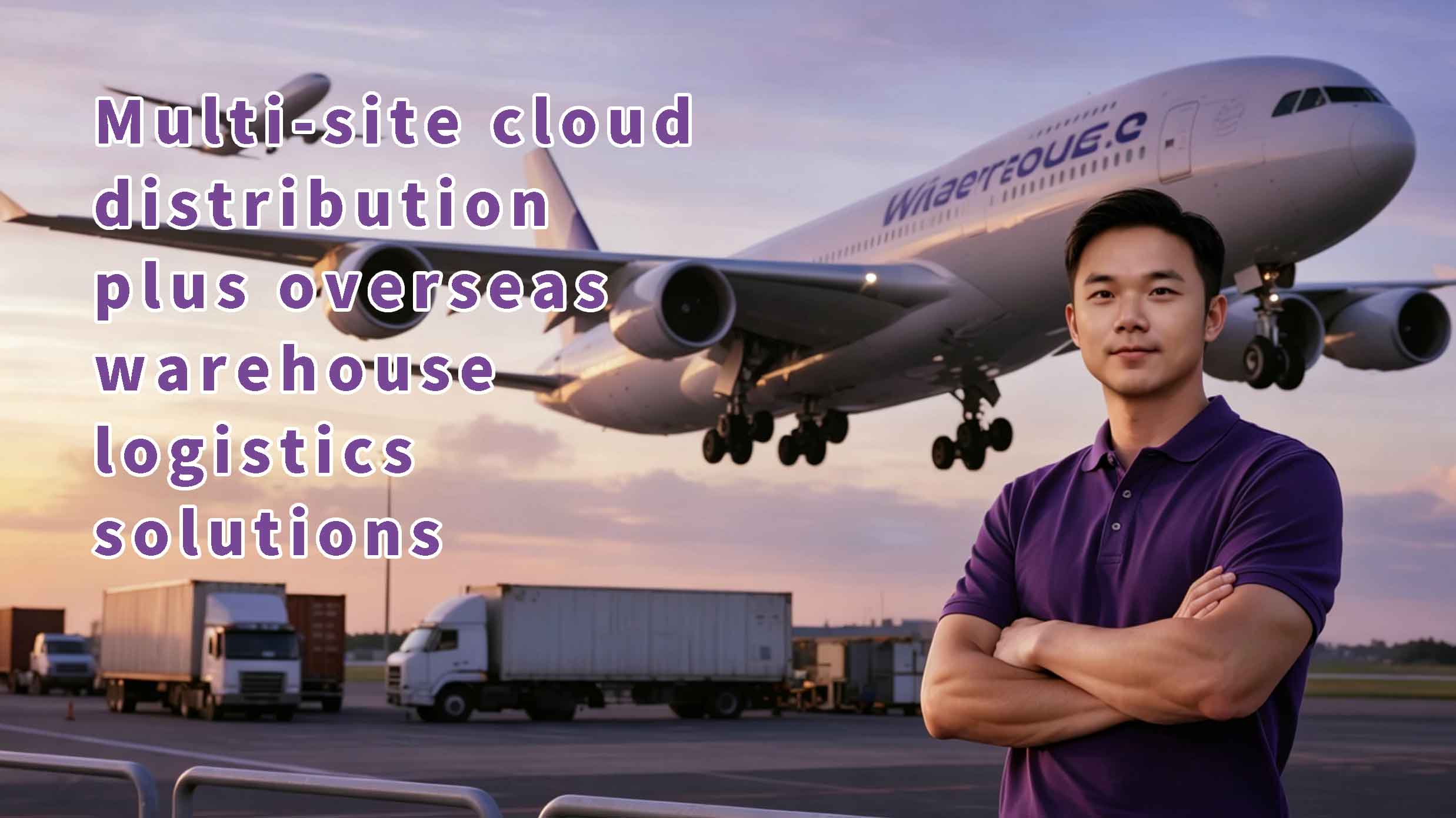
In the past, when it came to cross-border e-commerce, a good platform could generate a decent volume of orders. Nowadays, many sellers have started to set up multiple country sites, and synchronous operation of Amazon's US, European, Japanese, and independent sites has gradually become the norm.
After the addition of sites, new problems also began to emerge. The same batch of goods is shipped to different countries, and the sales pace varies in different markets. If all inventory is directly shipped to overseas warehouses, there is a risk of backlog. If all of them stay in China, it may also affect the delivery time.
Multi site operation tests not only the ability to select products, but also the ability to manage inventory and coordinate international logistics.
1:Inventory challenges brought by multi site layout
When many cross-border sellers first set up multiple sites, they tend to stock up all at once based on estimated sales volume. As a result, sales on the US platform exceeded expectations, while inventory on the European platform remained unsold.
Unreasonable inventory distribution often leads to increased warehousing costs, capital occupation, and decreased replenishment efficiency. Especially for products with shorter sales cycles, once market demand changes, the difficulty of inventory adjustment will significantly increase.
Where inventory is placed is more important than how much inventory there is.
2:Cloud Warehouse Distribution Becomes a Multi site Operation Transfer Node
Many mature sellers have begun to adopt cloud warehouse distribution mode to manage inventory.
After the products come out of the factory, they first enter the domestic cloud warehouse for unified management, and subsequent shipments are arranged according to the sales situation of different national sites. This can reduce blind stocking and improve inventory scheduling flexibility.
For example, when the US market enters the peak sales season, corresponding inventory can be prioritized for shipment. If sales in the European market slow down, the replenishment plan can be postponed.
This model keeps inventory in a constantly flowing state, rather than locking it in a certain market in advance.
3:Overseas warehouse front-end logistics improves terminal delivery efficiency
The advantage of overseas warehouses is to shorten the last mile delivery time.
After the goods enter the warehouse in the target country in advance, consumers can place orders and directly ship them locally. For cross-border sellers, this can not only enhance customer experience, but also help improve store competitiveness.
But overseas warehouses are more suitable for handling front-end sales inventory, rather than all inventory.
A reasonable operational approach is usually to stock high-frequency sales products in advance to overseas warehouses, while replenishing inventory is continuously supplied through first mile logistics to form a stable supply chain.
4:Cloud warehouse and overseas warehouse linkage are more suitable for long-term operation
After the development of cross-border e-commerce reaches a certain stage, warehousing and logistics can no longer be viewed separately.
Cloud warehouses are responsible for inventory management, order allocation, and shipment preparation, while overseas warehouses are responsible for local distribution and inventory digestion. The synergy between the two can form a more flexible inventory system.
For multi site operation teams, this model can reduce inventory backlog risks and quickly adjust shipping strategies according to market changes.
Many top sellers do not adopt a single warehouse model, but a multi warehouse linkage model.
5:Supply chain collaboration is affecting cross-border competitiveness
In recent years, many cross-border sellers have begun to shift their focus from simple logistics prices to overall supply chain efficiency.
For example, Taijia Cloud Warehouse provides warehousing management, order allocation, packaging and labeling, as well as overseas warehouse first mile logistics services, which can help sellers complete the transition from domestic warehousing to overseas replenishment.
After the goods enter the warehousing system, they can be arranged for outbound and first leg transportation according to the needs of different national sites, and the seller does not need to frequently coordinate multiple warehousing nodes.
Sellers with more SKUs and wider market coverage are more likely to establish a stable inventory scheduling system.
When the inventory turnover speed is faster than the market change speed, the operational pressure will naturally decrease.
FAQ
Is cloud warehouse distribution suitable for multi site operation?
Suitable, multi site sellers can manage inventory and flexibly allocate goods through cloud warehouses.
What is the difference between overseas warehouses and domestic cloud warehouses?
Overseas warehouses are responsible for local delivery, while domestic cloud warehouses are responsible for inventory management, transit distribution, and stocking support.
How can cross-border sellers reduce inventory backlog risk?
By combining cloud warehouse distribution with overseas warehouse first mile logistics, inventory layout can be dynamically adjusted according to changes in sales volume.
SERVICE
Copyright © 2026 TakeSendShip. All rights reserved


