

The more stable cross-border business is, the more unavoidable after-sales issues become. Almost every seller encounters situations such as product returns, damaged packaging, customer rejection, and unsold inventory.
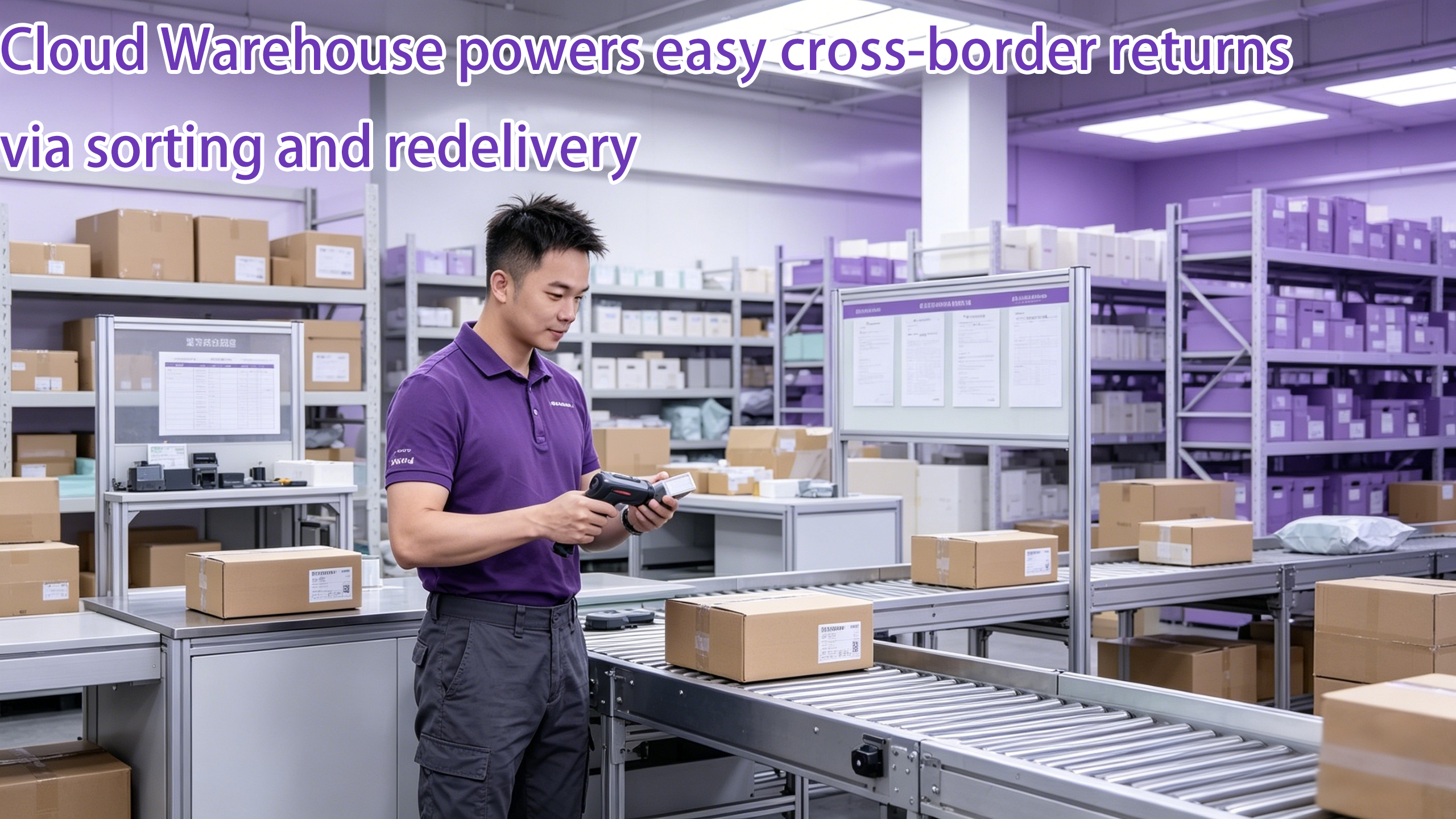
Many companies focus on delivery efficiency, but neglect how to recover after-sales service. If the returned goods are handled properly, many products still have resale value. If the handling method is unreasonable, it will not only increase storage costs, but also affect inventory turnover.
Therefore, return inspection, product refurbishment, reshipment, and handling of unsold inventory have become important service contents of cross-border cloud warehouses, and are also key links for many sellers to improve their supply chain management.
1:Return inspection can reduce duplicate losses
Returning goods to the warehouse does not mean that they have lost their sales value.
Some products only have slight wear and tear on the outer packaging, some are rejected by customers, and some are minor issues that arise during transportation. If scrapped without testing, it is easy to cause unnecessary losses.
Cloud warehouses usually complete appearance inspection, quantity verification, packaging status confirmation, and basic function testing based on the condition of the goods, and then classify and process them according to the test results. It is convenient for sellers to keep track of inventory status and also allows them to decide whether to continue selling, repairing, or processing in the future.
2:Product refurbishment allows some inventory to re-enter the sales process
The issue of many returned products is not complicated. After replacing the packaging, adding accessories, changing labels, or performing a simple cleaning, normal sales can be restored.
If every batch of goods is returned to the factory for processing, not only will the transportation cost be high, but the cycle will also be long.
After the renovation process is completed in the cloud warehouse, products that meet sales requirements can be re stocked and continue to be used for order shipment. This approach can reduce inventory waste and improve product utilization.
3:Re shipping makes inventory turnover more flexible
Cross border returns do not necessarily mean the end of the order. Some customers need to resend products, and some products need to be transferred to other sales channels for continued sales.
After completing the inspection and refurbishment, the cloud warehouse can repackage, label, and arrange shipment according to the order requirements. The entire process does not need to return to the factory again, which can shorten the processing cycle and facilitate the seller to quickly complete after-sales service.
4:Timely handling of unsold inventory is more important than long-term storage
In addition to returning goods, unsold inventory is also a problem faced by many sellers. Some products occupy storage space for a long time due to seasonal changes, product upgrades, or market adjustments.
If it is kept in the warehouse all the time, it not only increases storage costs, but also affects inventory turnover efficiency. Cloud warehouse can provide processing methods such as repackaging, combination sales, label replacement, and batch allocation based on product conditions, allowing some inventory to re-enter the sales plan instead of long-term backlog.
5:After sales management has become an important component of cross-border supply chain
After sales processing is not only related to customer experience, but also affects the overall operating costs of the enterprise. Whether the return inspection is timely, whether the goods can be resold, and whether the inventory is used reasonably will all affect the subsequent business efficiency.
Many cross-border sellers will entrust their after-sales warehousing to professional cloud warehouses for unified management. For example, in addition to providing warehousing and shipping services, Taijia Cloud Warehouse can also undertake supporting services such as return inspection, product refurbishment, repackaging, secondary shipping, handling of unsold inventory, and inventory management.
Through a unified warehouse management process, returned goods can be classified and processed according to the actual situation, reducing duplicate transportation and helping sellers improve inventory utilization.
FAQ
Q1: Do cross-border return goods need to be scrapped?
Not necessarily, many products can still be sold or re shipped after testing and sorting.
Q2: Can Cloud Warehouse handle returns and refurbishments?
Sure, complete basic renovation operations such as changing packaging, labeling, and organizing accessories according to the product situation.
Q3: How can unsold inventory be handled?
According to the product status, it can be repackaged, transferred for shipment, combined for sales, or optimized for inventory to reduce long-term backlog.
SERVICE
Copyright © 2026 TakeSendShip. All rights reserved


