

The real difficulty in handling the shipment of goods from the three supermarkets is often not the cross-border transportation itself, but every link from domestic factories to overseas buyers.
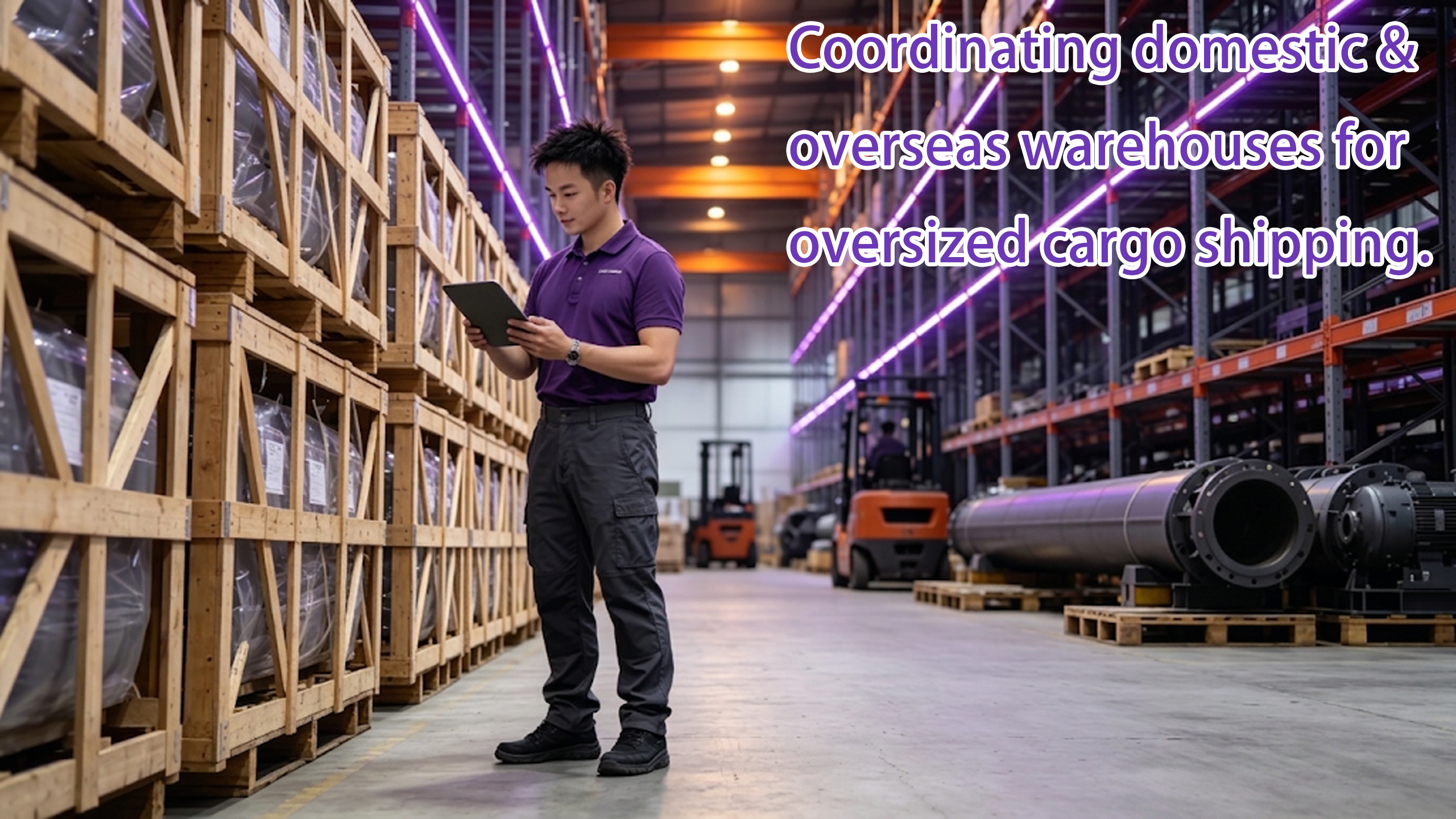
Mechanical equipment, furniture, display racks, outdoor items, and engineering accessories that are excessively long, wide, or heavy cannot be easily stored and delivered using the same methods as regular packages.
A more prudent approach is to first consolidate the goods into a domestic cloud warehouse, complete size, weight, packaging, and quantity checks, and then arrange the first leg transportation according to the destination. After the goods enter the overseas warehouse, the final delivery will be arranged based on local delivery conditions.
The domestic warehouse is responsible for the preparation in the early stage, while the overseas warehouse is responsible for the landing in the later stage. By connecting the two sides, the transportation arrangement for large cargo will be much clearer.
1:Why is it not suitable for San Chao goods to be shipped directly from the factory overseas
Ordinary goods can be quickly arranged for shipment according to the number of boxes and weight, but the situation is different for three oversized goods. Once the size of the goods exceeds the conventional transportation standards, the carrier may need to confirm the vehicle, loading and unloading methods, warehouse entrance, and destination delivery conditions in advance.
Factories are usually better at production and may not have the conditions for long-term storage of large items and handling cross-border shipments. After the production of the goods is completed, if the delivery date for overseas customers has not been determined, sending them all in advance will increase transportation and warehousing pressure. Starting to search for vehicles, warehouses, and confirm delivery methods near the delivery deadline can easily result in missing the deadline.
Sending the finished products to the domestic cloud warehouse first can leave a buffer time for transportation arrangements. The goods will not be shipped temporarily, and there will be no impact on subsequent production due to the tight factory site.
2:What should be done first after the three super goods enter the domestic cloud warehouse
After the large goods are stored, the size and weight are the first data that needs to be confirmed. During actual shipment, the transportation party needs to determine the vehicle, loading and unloading methods, and billing standards based on this information.
The warehouse also needs to verify the quantity, outer packaging, and SKU of the goods. If large equipment is packaged with wooden frames, pallets, or reinforced packaging, it should be recorded clearly when entering the warehouse, and can only be prepared in advance for subsequent loading and unloading arrangements.
For large-sized goods, the warehouse location cannot be arranged arbitrarily. It is necessary to arrange the goods reasonably according to the outbound order and transportation plan, to avoid the need to move other goods on a large scale during temporary shipments.
This is also a practical place to use cloud warehouses for large cargo. The goods will be centrally managed first, and after the transportation time is determined, they will be arranged to be released from the warehouse in a unified manner, without the need to rearrange the goods from the factory every time.
3:How to connect domestic cloud warehouses with overseas warehouses
Generally, when shipping goods overseas, it is not only necessary to consider sending the goods overseas, but also to consider in advance whether the overseas warehouse can receive them normally and how to continue delivery after entering the warehouse.
After confirming the size, weight, and packaging data of the goods in the domestic stage, suitable first leg transportation methods can be matched according to the destination. After the goods arrive at the overseas warehouse, the final leg will be arranged based on the buyer's location, goods specifications, and local delivery conditions.
This step is very important for large items. Ordinary small packages can be directly handed over to the courier network, but the final delivery of oversized, wide, and overweight goods may involve trucks, specialized vehicles, or scheduled deliveries.
If the overseas warehouse is only responsible for inventory without corresponding final arrangements, the goods may still be parked there when they arrive at the warehouse.
4:Why is it more suitable for domestic and overseas warehouses to coordinate large cargo
Large items usually have a high purchase amount and a relatively high value per item. If the sales speed does not meet expectations after the goods are shipped overseas in advance, inventory and storage costs will increase.
Domestic cloud warehouses can bear the initial inventory buffer. After production is completed, it is first stored in the warehouse. Once customer orders, sales plans, or transportation arrangements are clear, it is then shipped in bulk to overseas warehouses.
After arriving at the overseas warehouse, the final delivery will be carried out according to the order. For sellers who have been operating large items for a long time, this method is easier to manage than arranging separate transportation from China for each order.
If a factory has multiple overseas customers at the same time, it can also store the goods of different customers in a centralized domestic cloud warehouse, and release them in batches according to the delivery time, reducing temporary adjustments and repetitive operations.
Before arranging the first leg, it is best to confirm the overseas warehouse receiving requirements and final delivery conditions together. Taijia Cloud Warehouse can make front-end arrangements based on domestic warehousing, goods outbound, and international transportation needs, and then connect overseas warehouses and subsequent distribution resources according to the destination.
For foreign trade enterprises and factory orders, goods can also be stored and shipped in batches according to customer delivery dates, without the need to send the entire batch of large goods overseas at once in order to catch up with an order.
FAQ
Question: Can I directly use regular international express delivery for three types of goods?
Answer: Usually, the shipping conditions need to be confirmed based on size, weight, and cargo attributes, and cannot be directly judged based on ordinary packages.
Question: Why do we need to arrange overseas warehouses in advance for the three super goods?
Answer: There are more restrictions on the final delivery of large goods. Confirming the receiving and delivery conditions in advance can reduce the situation of delayed delivery after the goods arrive.
Question: Can domestic cloud warehouses store three oversized items?
Answer: It is necessary to confirm the storage conditions in advance based on the warehouse location, size, and weight of the goods.
SERVICE
Copyright © 2026 TakeSendShip. All rights reserved


