

What should I do if I want to do cross-border e-commerce, but I'm worried about the goods being held in my hands and not being able to sell them? For novice sellers with limited funds, zero inventory and light asset stocking is the least stressful way to start.
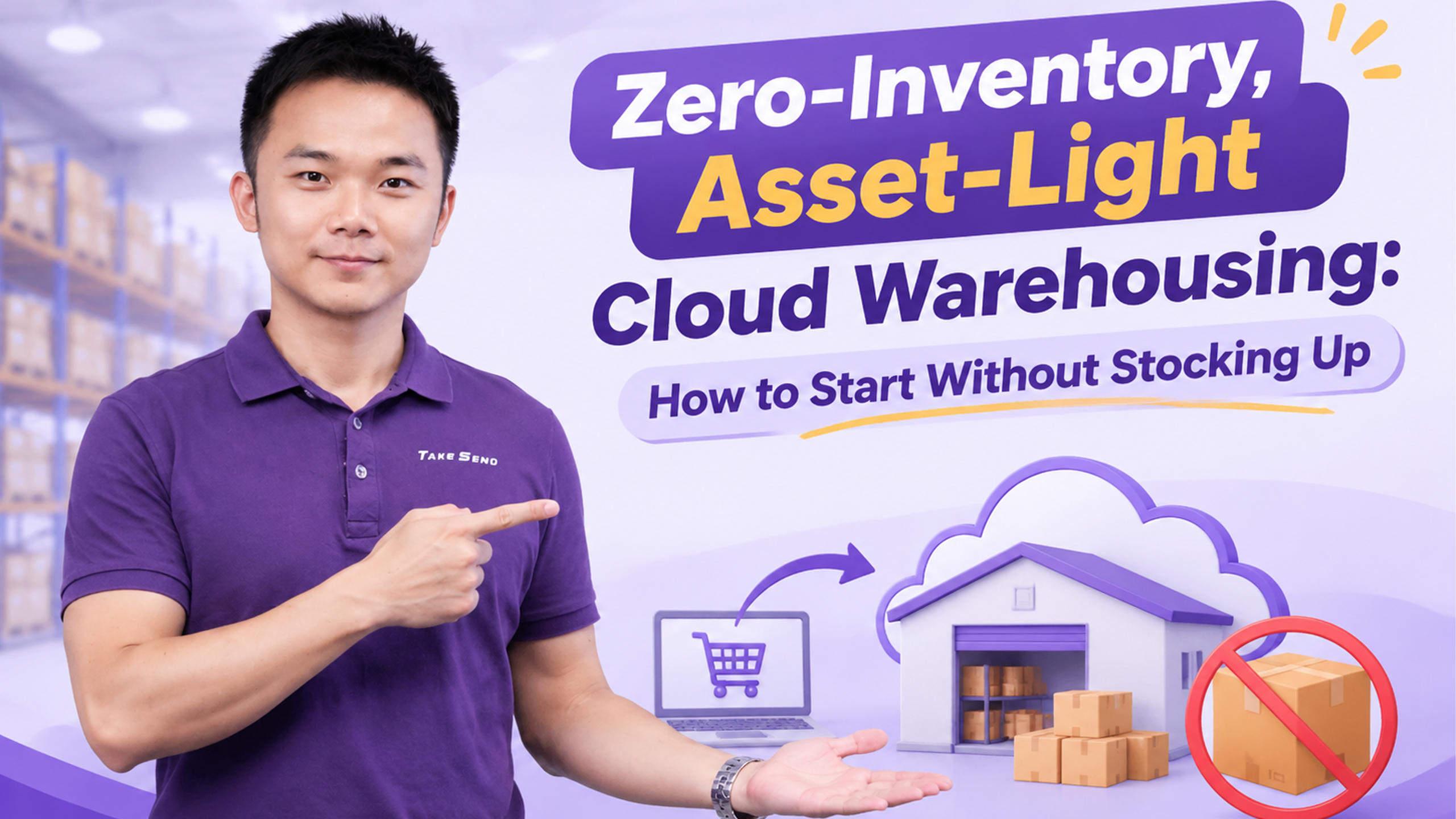
It is not necessary to stock all the products for sale in advance. After receiving the order, suppliers can be arranged to ship or cloud warehouses can be used to reduce inventory occupation. However, product selection, source of goods, and fulfillment still need to be controlled by oneself.
1:How to operate zero inventory distribution?
Zero inventory does not mean there is no inventory at all, but rather minimizing hoarding. The seller first screens the products, creates a product page, and then purchases from the supplier after receiving an order. The supplier or cooperative cloud warehouse completes the shipment.
This method is suitable for cross-border sellers who test new products and operate multiple SKUs. For example, when preparing to sell household items, you can first select a batch of products to put on the shelves, and judge which ones are worth long-term operation based on clicks, inquiries, and order situations, instead of purchasing in large quantities from the beginning.
2:Why should we control the quantity of goods when starting with light assets?
Fast stocking speed does not mean that more products are better. With multiple SKUs, product information, pricing, inventory, and order management become more complex.
If suppliers are out of stock, temporarily increase prices, or if the quality of goods is unstable, store operations are easily affected.
A more prudent approach is to first select a small number of products with clear demand, confirm the supply price, inventory update frequency, delivery time, and after-sales processing method.
Run a batch of orders first, and then add SKUs based on sales data.
3:How to arrange the shipping process in zero inventory mode?
There are two common shipping methods for zero inventory distribution. One is for the supplier to directly ship the goods, and the other is for the supplier to deliver the goods to a cloud warehouse, which is responsible for storage, order processing, packaging, and shipping.
If the order quantity is not large and the product sources are scattered, you can test the supplier's direct delivery first. If multiple products need to be inspected, packaged, or shipped according to different platform orders, cloud warehouse outsourcing will be more convenient for management.
It should be noted that zero inventory does not mean zero risk. Suppliers' delayed stocking and unstable logistics delivery may affect the buyer's receiving experience. Before listing the product, it is necessary to confirm the actual inventory to avoid discovering that there is no stock available for shipment after receiving the order.
4:Which sellers are suitable for cloud warehouse dropshipping?
As the number of SKUs in the store gradually increases, sellers may no longer want to spend time on receiving, packaging, labeling, and shipping each item. At this point, it is possible to consider using cloud warehouse for dropshipping, where the goods are stored centrally and the warehouse completes the outbound process based on the order.
If an independent seller operates multiple products at the same time and orders come from different countries, they need to package according to different requirements and choose the corresponding international logistics channels, and then hand over the inventory to cloud warehouse management.
The seller is only responsible for product selection, pricing, store operation, and after-sales service, while the warehouse mainly undertakes warehousing and shipping operations.
Zero inventory can reduce the pressure of stockpiling in advance, but it does not necessarily mean lower operating costs. Sellers still need to calculate the purchase price, platform fees, packaging and shipping costs, international shipping fees, and return and exchange costs.
Taijia Cloud Warehouse provides cross-border e-commerce warehousing and shipping services, including 60 day free warehousing, one-stop order shipping, package splitting and merging, packaging, labeling, product quality inspection, and photography.
For sellers who hope to start with light assets, they can evaluate whether it is suitable to entrust the shipping process to cloud warehouses based on the order volume and product characteristics.
Frequently Asked Questions (FAQ)
Do we need to stock up on our own for zero inventory distribution?
Not necessarily, it can be supplied by the supplier according to the order, or a small amount of goods can be stocked in advance to the cloud warehouse.
Is Cloud Warehouse One Piece dropshipping suitable for beginners?
Suitable for beginners who want to reduce packaging and shipping work, but need to first calculate warehousing, operation, and transportation costs.
What is the biggest risk of zero inventory distribution?
Mainly due to supplier shortages, inaccurate inventory information, delayed shipments, and insufficient profit margins.
SERVICE
Copyright © 2026 TakeSendShip. All rights reserved


