

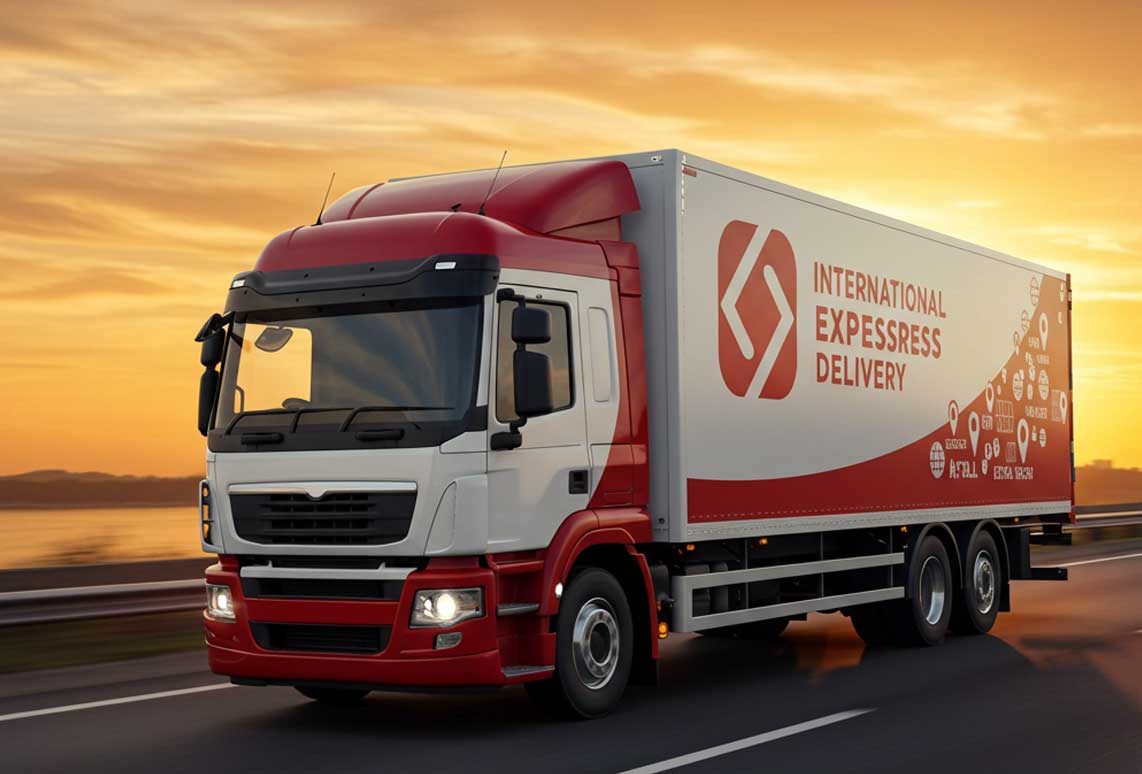
In the increasingly fierce competition of cross-border e-commerce online, logistics is no longer just a simple shipping process, but a core link related to cost, timeliness, user experience, and even store ratings. For many cross-border beginners, a common question is always unavoidable: should we choose FBA or third-party overseas warehouses?
Actually, there is no standard answer to this question, but it depends on your platform structure, product type, cash flow capacity, and operational goals.
More and more sellers are no longer limited to a single platform like Amazon, but are expanding their operations across multiple platforms such as eBay, Walmart, TikTok Shop, Temu, and AliExpress. Each platform has different rules and performance standards, which naturally puts forward higher flexibility requirements for the logistics system.
Taking FBA as an example, it is undoubtedly the most familiar fulfillment method for Amazon sellers. Sellers send their products in bulk to Amazon warehouses in advance, and the products automatically receive Prime labels, ensuring better delivery time and natural advantages in ranking and exposure.
Everything has two sides, and FBA also has many limitations, such as standardized product packaging specifications, clear and controllable SKUs, complex return processes, high inventory age costs, and significant losses in case of out of stock or unsold products.
Speaking of multi platform operation sellers. If you operate independent websites on eBay, Walmart, and Shopify simultaneously, it is obvious that FBA cannot cover all shipping needs. At this point, flexible third-party overseas warehouses have become the best choice, which can meet the shipping needs of orders from different platforms and save overall logistics costs.
The advantages of overseas warehouses lie in their flexibility, low threshold, and support for multi platform logistics and shipping policies
The biggest feature of third-party overseas warehouses is flexibility. Whether it's single shipment, bulk outbound, label replacement, labeling, return processing, SKU binding, professional overseas warehouse service providers can help sellers solve one-stop problems.
Compared to FBA, overseas warehouses have fewer restrictions on products and are less likely to be rejected due to size, packaging, or labeling issues. At the same time, the warehousing process is controllable and the costs are transparent, making it less likely to incur additional hidden costs. For sellers of large volume, non-standard products, and personalized goods, overseas warehouses are almost a must-have.
As a third-party overseas warehouse service provider with three self operated warehouses in the US West Coast, US China, and US East Coast, Takesend has always focused on cross-border e-commerce scenarios, providing sellers with logistics solutions that meet their business needs. Whether you are working on Amazon eBay, Wal Mart is still an independent station. Takesend can provide a standardized delivery service.
Takesend supports automatic synchronization to the system after the buyer places an order, with one click outbound in the background. It can complete picking, packaging, and delivery to the final channel within 24 hours at the fastest. At the same time, sellers can freely choose the final delivery provider (UPS, FedEx, USPS, etc.) without being limited by platform logistics rules, with higher autonomy.
For sellers with complex SKUs, scattered orders, and a focus on after-sales timeliness, Takesend truly achieves worry free, labor-saving, and cost saving.
SERVICE
Copyright © 2026 TakeSendShip. All rights reserved


