

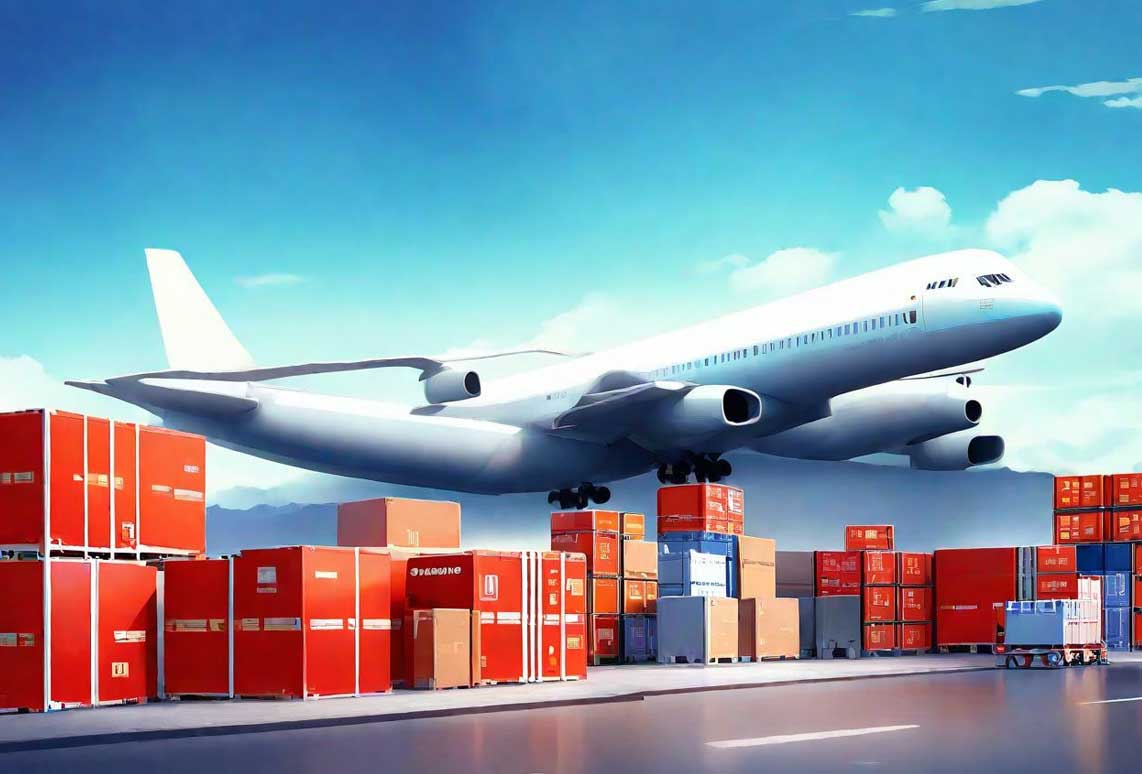
Looking at the global retail industry, cross-border e-commerce is still maintaining a growth momentum amid complex circumstances.
The European and American markets remain the main battlegrounds, but due to various factors such as fluctuations in international shipping cycles, unstable customs clearance efficiency, and tight inventory during peak seasons, many sellers have begun to clearly feel a common pain point - slow cross-border order delivery, uncertain last-mile delivery, frequent buyer complaints, and even occasional item loss. This experience not only damages the satisfaction of buyers and customers, but also directly hinders the store's rating and repeat purchase conversion.
Especially before the Black Friday and Christmas seasons, many sellers prepare goods several weeks in advance, but due to headway delays, the goods are not stored in the warehouse in time, missing the best sales window.
In addition, the congestion in the last-mile logistics causes the orders to be stuck during delivery, and even there are cases of incorrect distribution of goods in the transfer links and incomplete information updates.
For the already highly competitive platform environment, these details can determine the success or failure of a marketing campaign. More and more cross-border merchants are turning their attention to "American local warehouses" - that is, the American overseas warehouses we often refer to.
This overseas warehouse delivery model stores goods in local warehouses in the United States in advance, enabling orders to be shipped locally after they are generated on the platform, skipping the international transportation环节, significantly improving delivery efficiency and reducing the risk of item loss.
Compared to the traditional direct delivery from China, the American local warehouse model has obvious advantages.
In terms of logistics efficiency, since the goods are stored locally in the United States, after the system processes the order, it can directly enter the last-mile delivery process, and the regular 2-5 days can reach the target customers, saving 7-15 days of international transportation time;
The local last-mile logistics options are more flexible, and based on the recipient's address, UPS, USPS, FedEx, etc. can be selected as courier services to reduce delivery costs while improving the delivery success rate;
The warehousing system is mature, the order processing flow is standardized, and the automation level is high, which can effectively reduce errors in wrong delivery and information delays.
In terms of practical operation processes, merchants only need to package the goods and send them to a warehouse like TakeSend in the United States, complete the warehousing, SKU binding and inventory synchronization, and then they can ship at any time.
The warehouse system will automatically pick, package, label and connect with the courier company for delivery, and the entire process does not require manual intervention, significantly reducing the error rate of manual operations.
More strategically, sellers can flexibly layout warehouse areas in the eastern, central and western parts of the United States based on the distribution of customer groups, achieve nearby delivery, and compress the last-mile costs, thereby improving the overall order fulfillment experience.
SERVICE
Copyright © 2026 TakeSendShip. All rights reserved


