

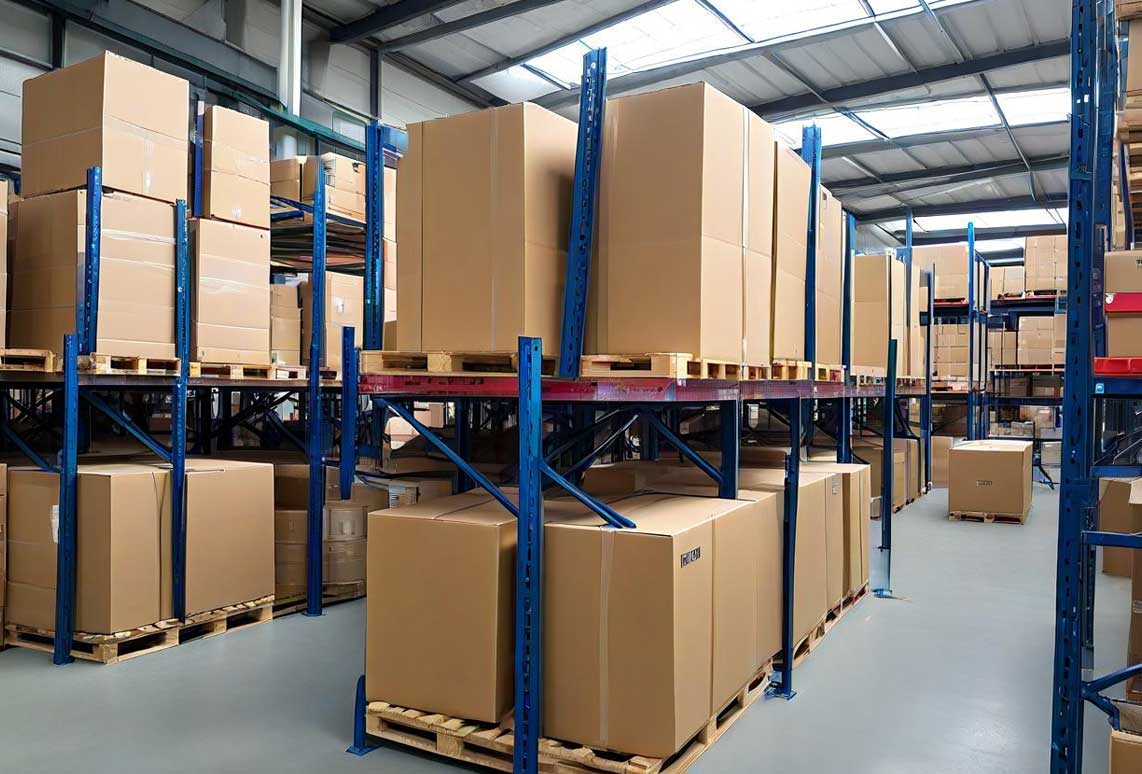
Have you heard of it? Recently in the cross-border circle, there is a term that is frequently mentioned: cross-border cloud warehouse consignment delivery.
A novice seller privately asked: Is this another concept marketing? What's the difference from traditional delivery? To understand the significance of cross-border cloud warehouse delivery, we need to start with the most common problems that sellers face.
Before each big promotion season, the preparation, inventory checking, and packaging for shipment are almost the high-pressure period for sellers. Especially for those who operate on multiple platforms and multiple sites, just dealing with inventory and tracking the logistics progress requires staying up late and monitoring the system every day.
And don't even mention when there is a surge in orders or a return wave, if the warehouse doesn't handle it in time, the platform performance is likely to be affected, and the customer experience is also discounted.
However, when the cross-border cloud warehouse model emerged, it became popular rapidly not just because it sounded advanced, but because it did solve many traditional warehouse problems.
Without further ado, let's take a look at what cross-border cloud warehouse delivery actually is.
In simple terms, you first store the goods in a third-party cloud warehouse system. When an order is generated, the cloud warehouse system will automatically identify the platform order and generate an outbound instruction in the system. The warehouse staff will then pack, label, and ship according to the SKU.
The entire process is highly automated, fast in response, and more importantly, you no longer have to handle each package personally.
Many sellers initially didn't understand: Isn't this just letting me help me pack and ship? What's the difference from traditional consignment delivery?
The difference is huge. For example, the system of Taigai Cloud Warehouse is connected to the e-commerce platform, and you don't need to operate manually. Every shipment can automatically synchronize logistics information. The cloud warehouse is managed and shelved by SKU, making it less likely to deliver the wrong goods. Most cloud warehouses also have functions such as quality inspection, labeling, splitting and combining packages, which is equivalent to doing a quality control process for you before shipment.
The most crucial point is: Cloud warehouses mostly adopt an on-demand delivery mechanism. You don't need to stock thousands of orders at once like traditional preparation, but can replenish in batches and flexibly, adapting to the increasingly lightweight operation rhythm of the platform.
Why is cross-border cloud warehouse increasingly important?
In the current cross-border environment, to be honest, it's not as easy as it was a few years ago. Platform rules are becoming stricter, while logistics costs and labor costs remain high. Under such circumstances, efficiency has become the key to survival.
Cloud warehouses can enable you to complete the previous several times the amount of order processing work with the minimum number of staff, and also help you centralize inventory management and unified last-mile shipping, saving time and reducing the risk of errors.
Especially for those sellers who have established a presence in mainstream markets such as the United States and Europe, using cloud warehouses in combination with overseas warehouses can further improve the overall fulfillment efficiency.
For example, some service providers like TakeSendShip have local warehouses and system connections in the United States, not only providing services such as on-site collection, quantity verification, and appearance inspection, but also supporting one-off consignment, exchange labeling, and other functions. For small and medium-sized sellers, this flexible delivery method is almost a relief tool, saving a lot of warehouse management and operation costs.
When platform rules become increasingly strict and buyers are more sensitive to logistics timeliness, having a reliable, flexible, and worry-free shipping method really becomes a key competitive advantage.
And cross-border cloud warehouses are exactly on this path, helping you avoid many pitfalls. Using the domestic overseas delivery mode of cross-border cloud warehouses can not only optimize the delivery process, but also may become a key link for transformation and breakthrough.
SERVICE
Copyright © 2026 TakeSendShip. All rights reserved


