

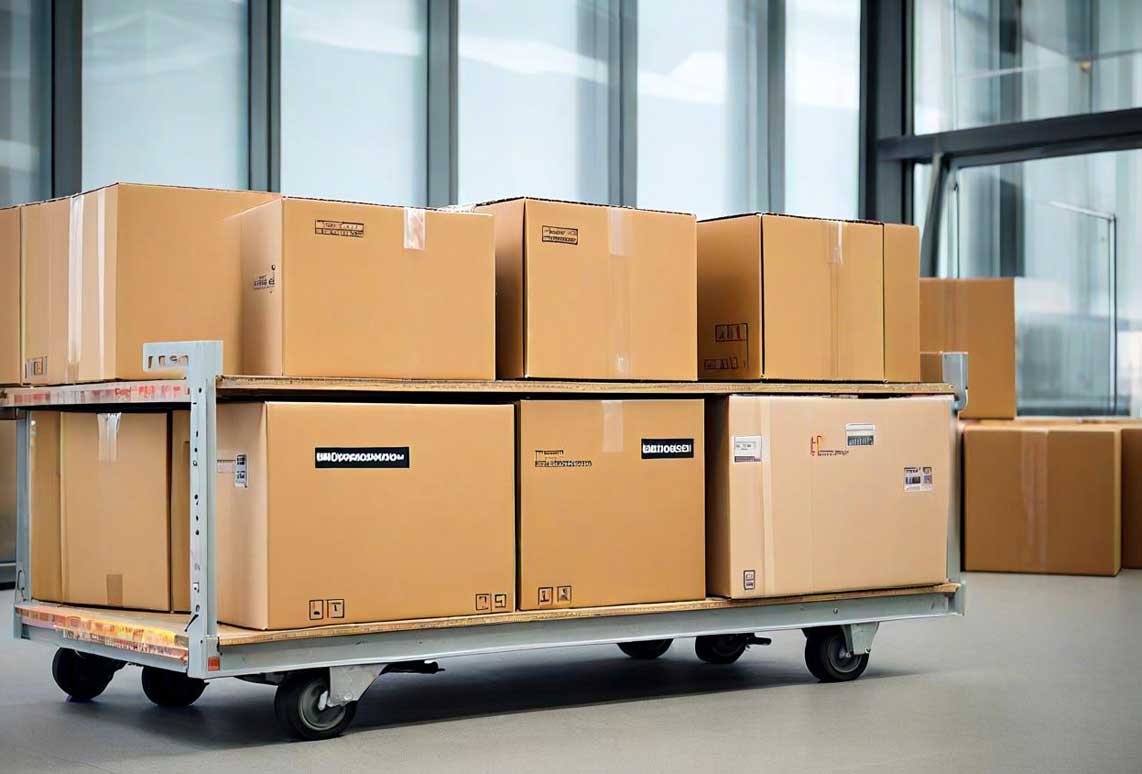
In the past two years, many cross-border sellers have encountered a choice in their business operations - should they continue to use the official American overseas warehouse recommended by the platform, or switch to a private American overseas warehouse?
After experiencing peak season stockouts, platform inventory restrictions, and packages queuing before they could be released from the warehouse, many people have realized that a flexible and cooperative private overseas warehouse might be the key to breaking through the bottleneck.
However, at the same time, many new sellers are troubled by various hidden charges and poor cooperation when they don't understand the operation logic behind the private overseas warehouse.
Today, this article will discuss: Is it worth using an American private overseas warehouse? How to choose to avoid risks and fully utilize its true value?
What advantages make the private overseas warehouse appealing? To put it simply, the most prominent advantage of the American private overseas warehouse is its flexibility.
It does not rely on the platform, does not bundle last-mile logistics, and does not limit packaging methods. You can freely choose last-mile channels such as USPS, FedEx, and UPS based on the urgency, weight, and customer address of your orders, which can control costs and meet the personalized needs of customers.
Its greatest feature is high cooperation, and often can be adjusted according to the seller's business process, such as supporting custom packaging, brand labeling, special category sorting, and even providing live product inspection, label replacement, and other value-added services that are very friendly to brand sellers who focus on customer experience.
Also, the entry threshold is low and the response is fast. Compared to some large official warehouses, the private overseas warehouse is more like a flexible small team, with low communication costs and fast response, and it is less likely to be congested during peak delivery periods.
So, the question is: Is the private overseas warehouse reliable? This is exactly what many sellers are concerned about.
Many people see the word "private warehouse" on the internet and the first reaction is whether it is unregulated? What if the goods are lost? How to hold accountable if there is a problem? - These are not groundless worries.
In fact, the American private overseas warehouse market is mixed, with varying warehouse management, service terms, and system integration capabilities. Some warehouses are even just a few people renting a garage, and if there are problems, it is difficult to protect their rights and interests, and there is no way to talk about after-sales service.
So, when choosing an American overseas warehouse, you must conduct an assessment from these aspects:
Does it have a clear inventory and delivery system? Does it support system integration? Can it provide complete bills and inventory details?
Are there any hidden charges, such as duplicate labeling, additional packaging fees, and tail-end price increases?
Does it have processes such as return receipt, secondary quality inspection, label replacement, and re-delivery? Is there a traceable after-sales handling mechanism?
Does it have a fixed storage address and signing mechanism? Does it have the handling capacity during peak delivery periods?
Does it have experience serving cross-border brand sellers and support customized services?
Currently, there are also some service providers offering warehouse and distribution solutions that are between official warehouses and private warehouses, having the flexibility of the private warehouse and the regularity of the platform warehouse.
For example, TakeSendShip has multiple standardized warehouses in the United States, although it is essentially an independent warehousing system serving small-scale exporters and cross-border e-commerce, in terms of system integration, warehouse standardized management, operation processes, and tail-end support, it is very close to the standards of the platform's official warehouse.
Not only does it avoid the risks of opacity and uncontrollability of the private warehouse, but it also retains the advantages of flexible delivery and on-demand support.
If you need flexible and warehouse support that fits your business process, you can consider a high-quality American private overseas warehouse. But if you are more concerned about after-sales protection and operational norms, it is best to choose a standardized warehouse with a certain scale and process.
SERVICE
Copyright © 2026 TakeSendShip. All rights reserved


