

Although the overall market is still growing, the profit margin is increasingly being compressed: platform traffic is expensive, user requirements are high, return and exchange rates have soared, and many sellers feel that they have to increase prices to avoid losses.
With multiple factors contributing to this, some merchants who originally self-shipped or built their own warehouses have begun to turn their attention to third-party cloud warehouse services - especially the consignment delivery model.
Also because the market demand is so hot, the meaning of the words "third-party cloud warehouse" has become increasingly ambiguous. Some say it's like an outsourcing warehouse, some say it's more like a SaaS logistics system, and some are worried about whether the consignment delivery model is reliable: will it delay the delivery? Will it frequently make mistakes? What to do when the customer returns the goods?
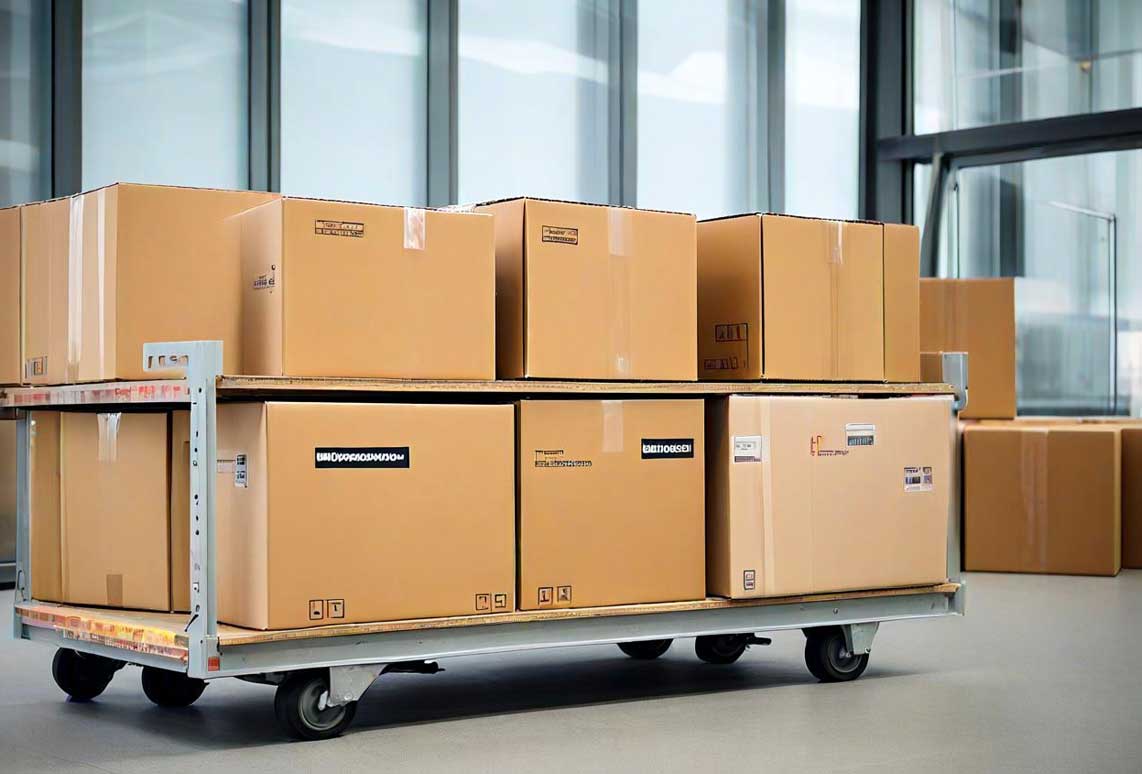
Let's first take a look at what a third-party cloud warehouse is. It is the warehousing and delivery services provided by third-party enterprises that are not owned by the platform or the seller.
Unlike traditional overseas warehouses, it not only provides storage capacity and outbound operations, but also has services such as system support, order management, and logistics integration, and the core lies in improving the fulfillment efficiency and reducing labor costs.
Behind these doubts, there is actually a core issue - can consignment delivery stand the test?
First, many sellers' initial intention for switching from self-shipping to the cloud warehouse model is to improve shipping efficiency and buyer experience. If the third-party cloud warehouse cannot respond immediately after order generation, or there are frequent delays.
Then, no matter how cheap the warehousing fee is, how intelligent the system is, it cannot support the brand reputation of the seller. Therefore, standardization of timeliness is one of the important criteria for measuring reliability.
Second, although some third-party warehouses are called cloud warehouses, they have not integrated with the platform system and still need manual order entry and manual inventory synchronization. This model cannot truly solve the operational efficiency problem.
On the contrary, some mature service providers have years of technical accumulation, smooth ERP integration, accurate SKU identification, and system support for multi-platform collaborative operations. Sellers hardly need manual intervention, and the delivery process is fully automated, with a significant reduction in error rates.
Third, in actual operation, the orders faced by sellers are not always standardized processes. Returns, exchanges, address changes, label errors, SKU confusion, etc. are all common emergencies.
If the third-party cloud warehouse does not have corresponding after-sales mechanisms, such as return inspection, re-labeling, and re-listing, the consignment delivery service can easily turn small problems into big troubles.
Also because of these considerations, many sellers prefer cloud warehouse service providers with a stable local warehouse network and years of operational experience. For example, enterprises like Taigayun Cang in the industry, with a stable local warehouse network and a system operation team, have accumulated years of overseas operation experience and established multiple-point layout warehouses in the US East, US West, and China, and provide full-chain services including one-piece consignment, intelligent distribution, and return handling, which can better cope with the complex demands in actual fulfillment scenarios.
Third-party cloud warehouse consignment delivery is not a "convenience" synonym, but a comprehensive test of the service provider's capabilities, system operation, and response mechanism.
Whether third-party cloud warehouse consignment delivery is reliable is not only judged by price and promotion, but also by whether its delivery ability in real business scenarios can withstand the test.
SERVICE
Copyright © 2026 TakeSendShip. All rights reserved


