

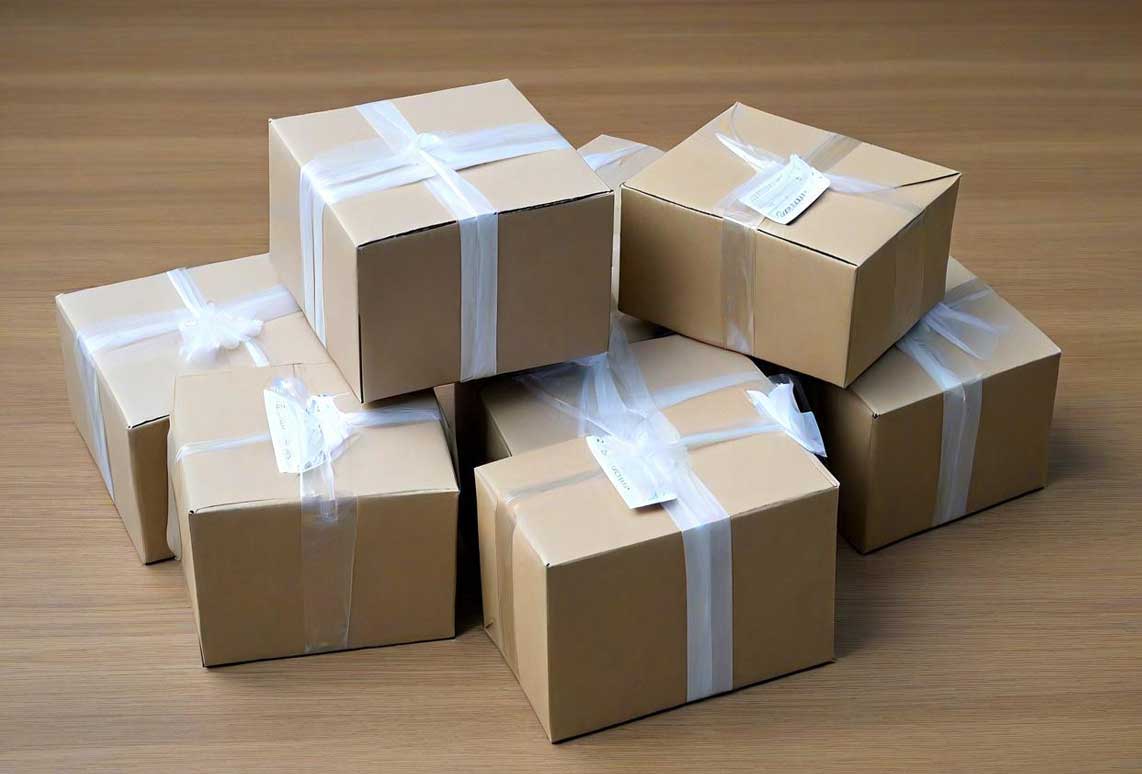
What exactly does an overseas warehouse in the United States do? - This is one of the most frequently asked questions by newcomers just entering the cross-border e-commerce industry.
As a novice seller just starting out, the initial impression was that selling something was simply finding a domestic supplier, listing it on the platform, waiting for someone to place an order, and then shipping it from China.
But after actually getting into the business, problems started to arise one after another: orders were not delivered on time, the logistics query information was intermittent, customers were demanding to receive the goods, and even negative reviews began to emerge.
At this point, it was realized that the logistics delivery of cross-border shipping was much more complicated than imagined.
In the US market, the buyer's experience is crucial. If you don't receive the goods in two weeks, they are likely to immediately open the dispute channel or apply for a refund and return. At this time, the term "US overseas warehouse" once again comes into view.
To be honest, at first, I thought an overseas warehouse was just a warehouse in the United States where goods were stored, and they were shipped quickly. But as I gradually learned more, I realized that it was not just that simple. It was not just a storage place for inventory, but a synonym for an entire service system.
From the perspective of a novice seller, the US overseas warehouse basically solves three problems: delivery time, return and exchange handling, and after-sales service.
The first part: Differences in delivery time
Traditional direct domestic shipping from China to the United States mostly uses economic small packages, and even if it's an e-commerce express line, it takes ten days or more.
The logic of the overseas warehouse is to send a batch of goods by sea or air to the local warehouse in the United States in advance, and when the customer places an order, the local warehouse directly ships it, and it can be delivered within a few days, making the entire experience as fast as ordering on Amazon.
This is particularly crucial for sellers of independent websites, eBay, or Walmart platforms.
The second part: Efficient handling of return and exchange
US customers have very high requirements for after-sales service. Being dissatisfied and returning the goods is a habit rather than a controversy.
If you do domestic direct shipping, returning the goods means the customer has to send the package back to China, which is almost impossible. But with an overseas warehouse, the customer can return the goods to the local warehouse, and the warehouse can conduct simple inspections, re-list them, or pack and send them back to China for reuse.
Although this process sounds simple, for sellers, it is truly a win-win situation in terms of cost and service experience.
The third part: After-sales and supporting services
Nowadays, overseas warehouses provide many services that go beyond just receiving, shipping, and handling returns, including label replacement, packaging, sorting, sending to FBA, and batch allocation, truly becoming the on-ground logistics department for sellers in the United States market.
Of course, many sellers have also encountered problems using US warehouses.
Some warehouses have slow service responses, unstable systems, and even have cases of incorrect shipping or lost packages. Therefore, when choosing a cooperative warehouse, several points need to be particularly noted:
First, is the system capable of real-time connection, and is the order processing transparent. Second, is the customer service team professional and can promptly follow up and handle problems. Third, is the coverage and operational stability of the warehouse in the United States.
For example, the business of Taigay Cloud Warehousing's US warehouse has a clear process. From the domestic consolidated shipment of goods to the warehousing in the overseas warehouse, to order synchronization, shipping, signing for delivery, and return handling, all can be tracked in the system. Especially, it customizes packaging methods for different SKUs and actively assists in optimizing packaging plans, reducing a lot of shipping costs.
SERVICE
Copyright © 2026 TakeSendShip. All rights reserved


