

The word "shipping" can be a real headache for cross-border e-commerce sellers, sometimes even more so than product selection.
Even if the product selection is perfect, if the shipping process goes wrong, it can result in negative reviews and refunds, or even account suspension, affecting not only the single transaction but also the reputation and future of the entire store.
Nowadays, more and more small and medium-sized sellers are turning to the one-stop fulfillment model, hoping to achieve low inventory and high turnover through the supply chain.
But problems arise as well: What exactly is cross-border one-stop fulfillment? How does the process work? If completely relying on the supplier for shipping, will there be problems halfway through? These questions have become a compulsory course for many new entrants.
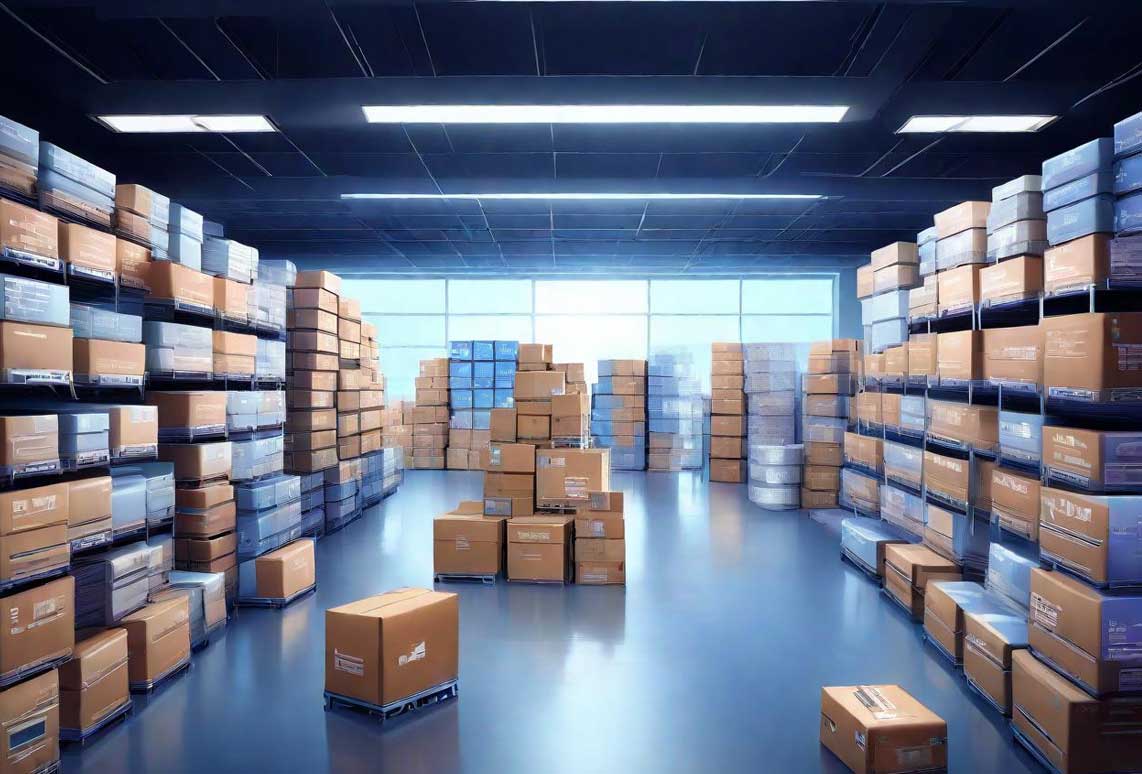
Under the one-stop fulfillment model, sellers usually do not stockpile goods. As soon as a buyer places an order, the order information will be sent to the cooperative warehouse or supplier, who will complete the entire process of picking, packaging, labeling, and shipping.
This method has obvious advantages: no inventory pressure, no need to package by oneself, no need to run to the courier point every day, and can save a lot of labor and storage costs.
How does the specific process work? It can be divided into five steps:
The first step is to bind the platform order.
After receiving an order on the e-commerce platform (such as eBay, AliExpress, Shopee, TikTok, etc.), the seller synchronizes the order information to the one-stop fulfillment warehouse backend through the system. If the system is well designed, it is usually automatically synchronized, saving time and effort.
The second step is order review and inventory confirmation.
The warehouse system will automatically verify the SKU and inventory quantity, and confirm whether it can be shipped normally. Sellers can also set an order review mechanism to prevent duplicate shipments, wrong shipments, and other problems.
The third step is warehouse picking and packaging.
Warehouse staff pick and package according to the order information. Some well-service warehouses will also provide customized packaging services, such as brand labeling, product placement, etc., to help sellers enhance customer experience.
The fourth step is to select logistics channels to send the package.
The one-stop fulfillment model usually has multiple logistics channels to choose from, including postal, dedicated, commercial express, etc. Sellers can choose the appropriate route according to customer needs or freight budget.
The fifth step is to synchronize the logistics tracking number to the system.
After shipping, the system will automatically synchronize the logistics tracking number back to the store and update the shipping status to the buyer. The entire process is completed, and sellers basically only need to check the backend data, without having to personally handle the package.
Take the Taigayun Warehouse in Shenzhen as an example. The one-stop fulfillment system can achieve order automatic capture - inventory dynamic update - intelligent matching of logistics - real-time feedback of abnormalities.
For small and medium-sized sellers engaged in cross-border e-commerce, this complete closed-loop processing method means convenience, time-saving, and a lower probability of operational errors.
For sellers who are still hesitating whether to use the one-stop fulfillment service, it is advisable to start with a trial use and experience to see if this process is really more suitable than fully handling the entire chain personally.
SERVICE
Copyright © 2026 TakeSendShip. All rights reserved


