

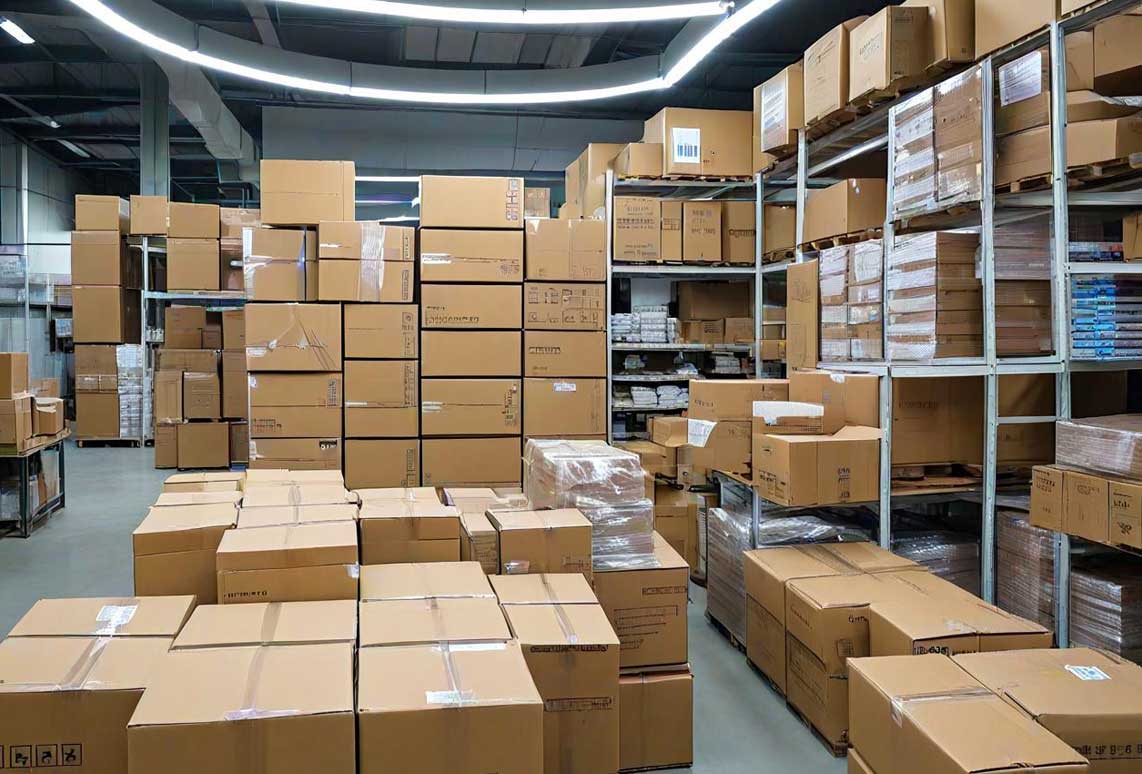
When many cross-border e-commerce sellers consider using overseas warehouses, the first questions they ask are not about the size of the warehouse or the speed of delivery, but: How exactly does it charge? This is quite normal. After all, the cost of using an overseas warehouse will ultimately be reflected in the product pricing and profit margin. If the charging structure is not clearly understood, it is easy to suffer losses during the operation process.
Today, from the perspective of an experienced seller who has set up warehouses in the United States for three years, I will guide you to clarify the main charging items of the overseas warehouses in the United States.
The cost structure of overseas warehouses is not a simple warehouse rent, but a complete set of process fees covering the entry and exit of goods and the last-mile delivery. Generally, it is divided into the following parts:
Unloading Fee
After the goods arrive at the warehouse in the United States, the warehouse needs to arrange personnel to unload the goods in the container or truck. This part of the cost is usually calculated based on the number of pallets, boxes, or working hours. If the goods are bulk and do not have standard pallets, additional fees may also be charged. Although the unloading fee is not always included, it is usually indispensable when large quantities of goods are entered into the warehouse.
Put-away Fee
After unloading, the goods need to be sorted and placed in the designated positions in the warehouse. Some warehouses charge by the number of items, while others charge by working hours. If there are many SKUs and non-uniform packaging, the put-away fee may also increase. The cost of standard pallets or full container goods is relatively low. It is recommended that sellers optimize the packaging method in advance.
Inventory Check Fee
The inventory check fee is an important step to ensure that the quantity of goods entered is consistent with the out-of-stock records. Most overseas warehouses in the United States operate on a responsibility system, so the inventory check fee is generally charged based on the number of SKUs, the quantity of entry forms, and other methods. If additional inspections, photography, marking, and other operations are required, they will usually be charged separately.
Fulfillment Fee
This is the part that many sellers are most concerned about. Whenever an order is generated, the warehouse will perform sorting, packaging, labeling, and packaging for shipment based on the system connection information. The fulfillment fee is usually charged based on the number of items, boxes, or multi-SKU combinations. Some warehouses may also charge additional fees for packaging materials, reinforcement, and other services. It is recommended that sellers clarify in advance which services are included in the handling fee to avoid misunderstandings later.
Storage Fee
This is the most direct cost. Different warehouses have different billing models. Some charge by pallets, some by cubic feet, and some calculate the active inventory based on the SKU dimension. The storage fee is usually charged on a daily or monthly basis. The higher the inventory turnover rate, the lower the cost. Some warehouses also offer a free storage policy for the first X days, which is suitable for the testing phase.
Delivery Fee
This is the last-mile freight. Taking the three commonly used carriers in the United States as an example: USPS, UPS Ground, and FedEx Oversize. Take USPS as an example. Its fees are mainly charged based on weight segments and zones. For a package weighing less than 10 pounds and delivered to Zone 2, the price is $10.35.
It should be noted that USPS has strict requirements for size, shape, and address specifications. If there are abnormalities (such as irregular items, incorrect addresses), additional fees or delays will occur.
In addition, the delivery time is usually 2-6 working days, and the cost for remote areas is calculated separately. After understanding these cost structures, sellers should take the total cost rather than the individual price as the consideration standard when choosing an overseas warehouse in the United States. Some warehouses have a low unit price, but hidden costs are many, and the settlement price may be higher than that of high-priced warehouses.
For sellers who have just entered the US market or have unstable order volumes, choosing an overseas warehouse that is transparent in charging and standardized in operation is far more practical than blindly pursuing the lowest quotation.
SERVICE
Copyright © 2026 TakeSendShip. All rights reserved


