

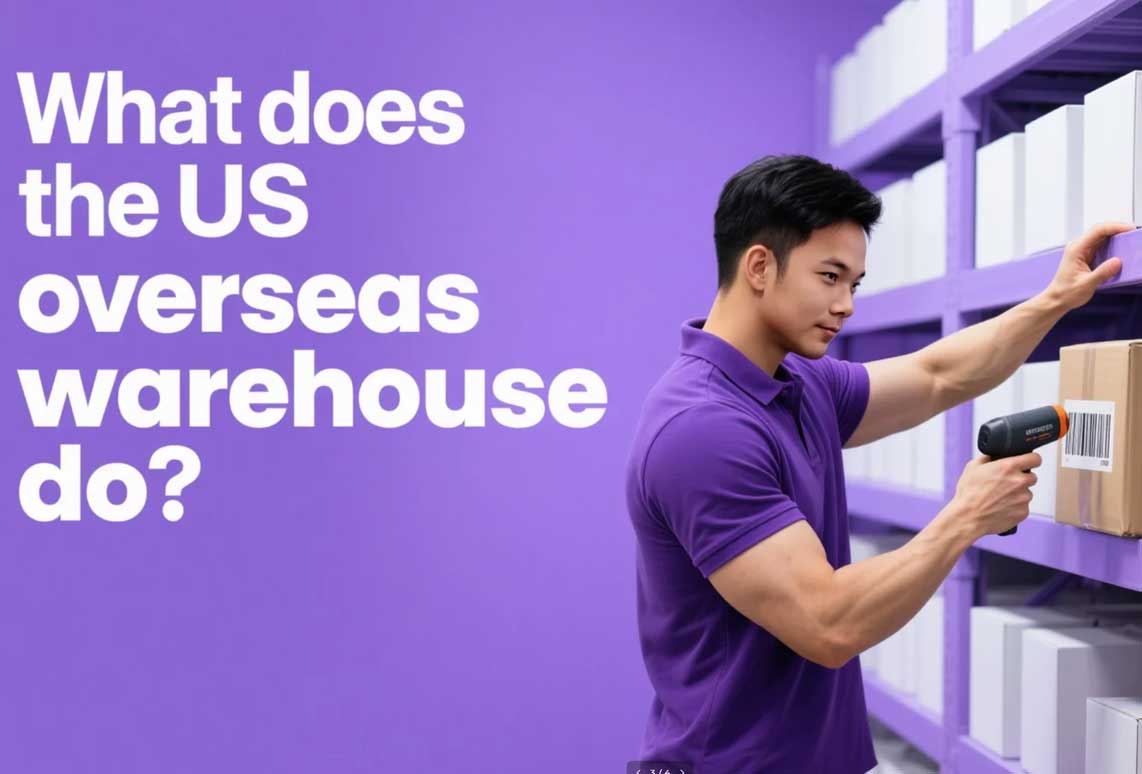
In the cross-border e-commerce industry, besides logistics efficiency, the most talked about topic is overseas warehouses. And the discussion on the US overseas warehouse has remained high.
Many novice sellers may ask: What exactly is a US overseas warehouse? What is the difference between it and domestic warehousing? Do you need it or not? Today, let's take a different perspective and clarify this matter.
1, To put it bluntly, a US overseas warehouse is a local warehouse
The core logic of overseas warehouses is simple: the seller sends the goods in bulk to the warehouse in the United States in advance, and after the buyer places an order, the warehouse directly ships them to the local buyer users in the United States.
This not only saves time on cross-border transportation, but also enables local courier companies to complete delivery, with advantages in terms of timeliness and shipping costs.
2, What pain points did it solve
1. Timeliness issue: It generally takes 7-15 days to send from China to the United States. Shipping from a local warehouse in the United States usually takes 1-3 days to arrive.
2. Freight fluctuations: After localizing overseas warehouse storage, short-term increases in international freight rates can be avoided.
3. Returns and exchanges: American buyers can directly send their returns back to the local warehouse, reducing the high cost of cross-border returns.
4. Platform Policy: Amazon, eBay, and other platforms have strict requirements for delivery time and return convenience, and overseas warehouses in the United States can help sellers improve their store ratings.
3, Applicable seller types
Peak season stocking type sellers: such as Black Friday and concentrated shipments before Christmas, preparing popular products in advance to the United States.
Multiple SKU sellers: Sellers with multiple products and scattered orders can use overseas warehouses for centralized management.
For categories with high return rates such as clothing, footwear, and 3C accessories, overseas warehouses can quickly resell or process them.
4, In addition to warehouse outsourcing and local delivery, common services offered by US overseas warehouses typically include:
Splitting and merging: Multiple orders are merged and sent out, or bulk goods are split into multiple small packages.
Labeling and label replacement: Replace logistics labels or product labels according to platform requirements.
Quality inspection and photography: After arrival at the warehouse, conduct a visual inspection of the goods and take photos for retention.
Inventory management: Real time recording of incoming, outgoing, and inventory quantities.
5, Looking at demand from the perspective of cross-border traders
Cross border traders need not just a warehouse, but a complete chain that runs through stocking, warehousing, order processing, delivery, and after-sales service. For example, during peak season, if the warehouse shipment speed is slow, platform fines, negative reviews, and customer churn may occur simultaneously.
There is also a type of trader who needs to serve both B2B and B2C orders, which means that the warehouse must be able to handle both full container shipments and single shipment.
For example, when providing services to cross-border traders, Taijia Cloud Warehouse will first suggest a reasonable stocking quantity based on the seller's sales pace to avoid excessive storage costs. At the same time, the service scope of the US overseas warehouse covers local delivery, package splitting and merging, quality inspection and photography, proxy labeling and other functions, as well as quick re inspection and re listing of returned goods.
Ultimately, the value of US overseas warehouses lies in enhancing buyer experience, reducing operational risks, and logistics uncertainty. For cross-border sellers, it is not only a warehousing method, but also a vanguard connecting overseas markets.
SERVICE
Copyright © 2026 TakeSendShip. All rights reserved


