

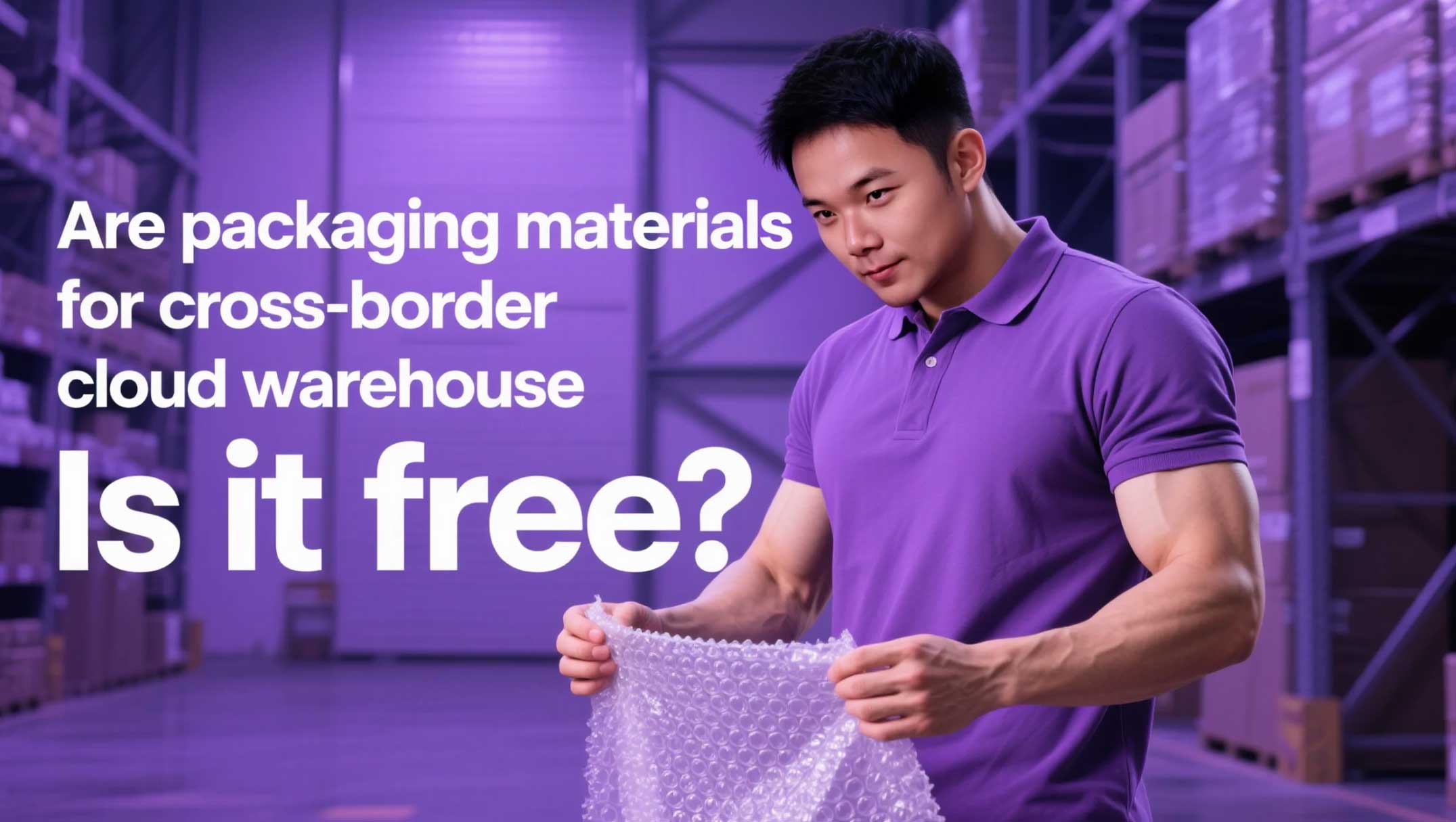
In the actual operation of cross-border e-commerce, more and more sellers choose cross-border cloud warehouses to solve inventory and shipping problems. Dropshipping has become a common mode for many small and medium-sized sellers, independent website operators, and new entrants. But when using cloud warehouse services, many people have questions: is a package sent by proxy free or does it require additional payment?
On the surface, packaging may seem like just a cardboard box, a bubble wrap, or a roll of tape, but for cross-border e-commerce, it is a necessary link that affects user experience and platform compliance.
There are differences in the charging standards for packaging materials among different cross-border cloud warehouses. Some offer free basic materials, while others charge based on material, specifications, and customization needs. If the seller is not aware beforehand, there may be deviations in cost accounting.
Generally speaking, cloud warehouse service providers often provide some basic packaging materials to attract customers. For example, the most common neutral cardboard boxes, envelope bags, or small-sized protective consumables. This type of packaging usually meets the shipping requirements of standard orders and is suitable for sellers who do not have additional packaging needs. For businesses in the fast-moving consumer goods or clothing category, using such free packaging can not only reduce costs but also ensure timely delivery.
However, if sellers have higher requirements for packaging, such as uniform specification boxes for Amazon FBA warehousing, or require additional protection during transportation, these materials are often not within the free range. When providing dropshipping services, e-commerce cloud warehouses will recommend suitable packaging methods for sellers based on product attributes and customer needs. At this point, the larger the size of the cardboard box, the thicker the material, and the higher the cost. The warehouse usually charges a certain fee based on the piece or quantity.
Whether the packaging of cross-border cloud warehouses is charged or not is actually closely related to the seller's operating model. If it is a low-priced product with low packaging requirements, using free materials can meet the demand. But for brand sellers, packaging is not only about protecting products, but also a carrier for enhancing user experience.
For example, customized cardboard boxes, gift cards, and even holiday special packaging with logos are value-added services that require additional payment. Many cross-border sellers are willing to invest in packaging in order to increase repeat purchase rates and brand memory points on highly competitive platforms.
In addition to the packaging process of cross-border cloud warehouse service providers, it is also directly linked to platform compliance. Different e-commerce platforms (such as Amazon, eBay, Walmart) have different warehousing standards. If the packaging does not comply with regulations, it may be rejected or even fined. For example, FBA warehouses have very strict requirements for outer box labels, dimensions, and safety. In such cases, if additional reinforcement or container replacement is needed, it will involve additional material and labor costs.
Therefore, when choosing a cross-border cloud warehouse, sellers should not only pay attention to storage fees and delivery fees, but also have a detailed understanding of packaging material policies. A reasonable approach is to communicate with the warehouse in advance, clarify which packaging is free, which ones need to be charged, and whether personalized customization is supported. This can avoid unnecessary disputes and additional expenses during the operation process.
Experienced sellers will also optimize costs by collaborating with domestic factories and cloud warehouses. For example, some products are packaged and labeled before leaving the factory and sent directly to the cloud warehouse, which can reduce the need for secondary box replacement and labeling operations and save labor costs. At the same time, for new product trial sales, you can first use the basic free packaging provided by Cloud Warehouse, and then invest in personalized packaging after sales stabilize, achieving flexible transition.
In the service market, there are also some cross-border cloud warehouses that can balance cost and personalized needs. For example, Taijia Cloud Warehouse can provide one-stop dropshipping services while also preparing various specifications of affordable cardboard boxes and packaging materials for sellers. If there is a need for branding, you can also customize exclusive packaging, add gift cards, and even provide free logo design. This service not only solves the basic shipping problem, but also helps sellers enhance their brand tone, allowing cross-border business to add personalized highlights in standardized processes.
SERVICE
Copyright © 2026 TakeSendShip. All rights reserved


