

Whether it's Amazon, eBay, Walmart, or independent websites, they are gradually increasing their requirements for shipping timeliness, return convenience, and inventory compliance. That's why US overseas warehouses have become one of the most discussed topics among cross-border sellers.
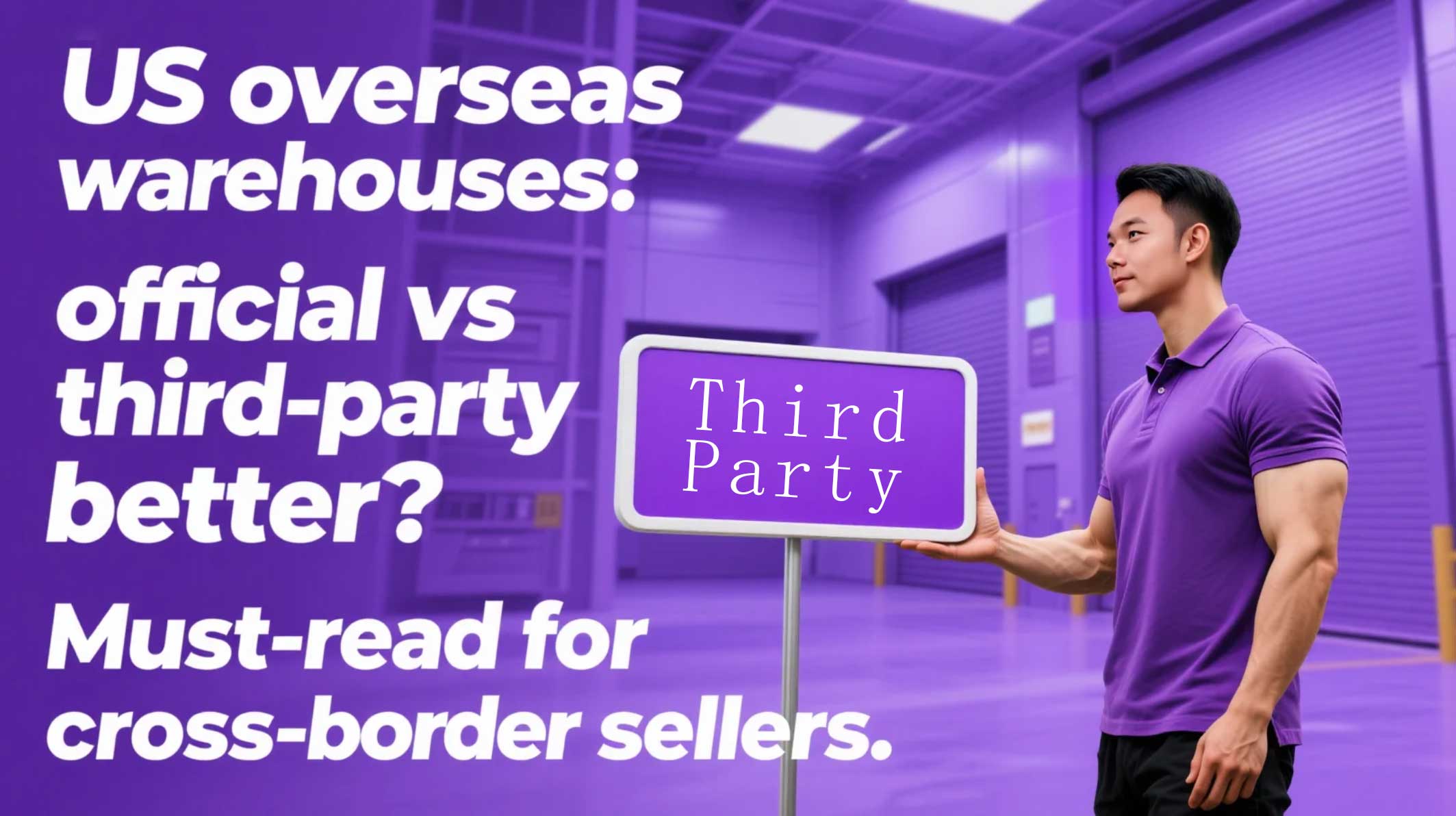
When choosing an overseas warehouse, sellers often face a question: is it better to choose the official platform warehouse or a third-party US overseas warehouse?
Official warehouse usually refers to the warehousing and distribution system operated by platforms such as Amazon FBA and Walmart Fulfillment Services. Its biggest advantage lies in the support of traffic and conversion. For example, products stored in FBA can receive the Prime logo, which makes it easier to win the trust of buyers and also enjoy the local logistics guarantee of the platform. For sellers with large volumes, standardized categories, and stable SKUs, official warehouses can often help quickly open up the market.
But official warehouses are not omnipotent for all sellers. Many new sellers or small and medium-sized businesses may encounter high official warehouse fees and strict entry restrictions during their operations. The platform warehouse has strict requirements for labeling, packaging, and size specifications. Once errors occur, there may be rejection or high additional fees. During peak season, FBA warehouses often experience overstocking, making it difficult for sellers to stock up on time even if they have goods, resulting in inventory backlog and sales losses.
Compared to this, third-party US overseas warehouses appear more flexible. This type of warehouse is operated by independent logistics service providers and is not limited by a single platform. It can simultaneously serve sellers on multiple platforms such as Amazon, eBay, Shopify, Walmart, etc. For cross-border sellers who require dropshipping, labeling, splitting and merging, and return processing, the operation of third-party warehouses is more down-to-earth. They usually customize solutions according to the seller's needs, and the charging model is more transparent, suitable for enterprises with large inventory fluctuations and complex product lines.
Sellers of different scales also have significant differences in demand for official warehouses and third-party US overseas warehouses. Big sellers are more concerned about traffic enhancement and automation systems, and are willing to bear higher storage fees in exchange for conversion rates.
Small and medium-sized sellers, on the other hand, are more concerned about flexibility and cost control. They may not have the energy to adapt to the strict rules of official warehouses and prefer to use third-party warehouses to quickly process orders and ensure capital turnover.
In actual operation, many sellers choose to use both official and third-party warehouses in parallel. For example, hot selling or core products can be placed in the official warehouse to obtain platform weighting. And the tail goods, long tail SKUs, and new product trials will be managed by third-party warehouses. This combination can not only balance costs, but also avoid the risks brought by platform policy fluctuations. Especially during peak seasons or unexpected situations, third-party warehouses can often serve as a powerful supplement to official warehouses.
From the perspective of service content, third-party US overseas warehouses often go beyond warehousing and delivery, they are more like logistics bases for cross-border sellers. In addition to regular warehousing, shelving, picking, and packaging, they can also provide personalized labeling, return quality inspection, secondary packaging, and other extended services. For sellers who want to enter FBA but temporarily do not meet the requirements, third-party warehouses can even serve as a buffer zone.
Taijia Cloud Warehouse's overseas warehouse services in the United States are built on this understanding of demand differences. On the one hand, it can help sellers complete standard warehousing, sorting, and delivery, meeting the shipping requirements of different platforms. On the other hand, it can also provide sellers with supporting services such as dropshipping, label replacement, and return processing, giving cross-border sellers a stable and reliable choice outside of the official warehouse.
SERVICE
Copyright © 2026 TakeSendShip. All rights reserved


